

In the industrial and commercial sectors, water chillers play a crucial role in maintaining optimal temperatures for various processes and equipment. However, operating a water chiller in a humid environment presents unique challenges and considerations. As a water chiller supplier, we have extensive experience in understanding how water chillers perform under such conditions and have developed solutions to ensure efficient and reliable operation.
Understanding the Impact of Humidity on Water Chillers
Humidity refers to the amount of water vapor present in the air. High humidity levels can significantly affect the performance of a water chiller in several ways. Firstly, humidity can increase the load on the chiller's condenser. When the air is humid, the condenser has to work harder to remove heat from the refrigerant because the water vapor in the air adds to the heat transfer resistance. This can lead to a decrease in the chiller's cooling capacity and an increase in energy consumption.
Secondly, humidity can cause condensation to form on the chiller's components. Condensation occurs when warm, moist air comes into contact with a cold surface, such as the evaporator coils. If not properly managed, condensation can lead to corrosion, mold growth, and electrical problems, which can ultimately damage the chiller and reduce its lifespan.
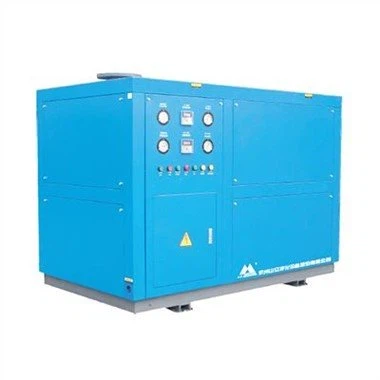
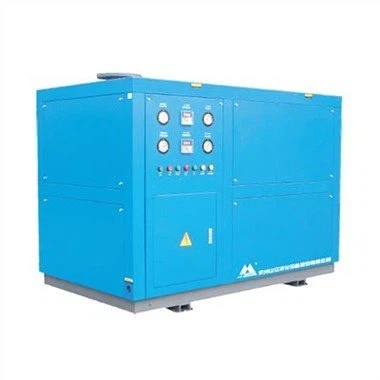
Finally, high humidity can also affect the efficiency of the chiller's refrigeration cycle. The presence of water vapor in the air can disrupt the normal flow of refrigerant through the system, leading to reduced cooling performance and increased energy consumption.
Performance Challenges in Humid Environments
One of the primary challenges of operating a water chiller in a humid environment is maintaining the desired temperature and humidity levels. In many applications, such as data centers, hospitals, and manufacturing facilities, precise temperature and humidity control are essential for the proper functioning of equipment and processes. However, high humidity can make it difficult for the chiller to achieve and maintain these levels.
Another challenge is dealing with the increased load on the condenser. As mentioned earlier, the presence of water vapor in the air can increase the heat transfer resistance, making it more difficult for the condenser to remove heat from the refrigerant. This can lead to higher condensing temperatures and pressures, which can reduce the chiller's efficiency and increase its energy consumption.
In addition, humidity can also cause problems with the chiller's evaporator. Condensation on the evaporator coils can reduce the heat transfer efficiency, leading to a decrease in the chiller's cooling capacity. If the condensation is not properly drained, it can also cause water to accumulate in the evaporator, which can lead to corrosion and other problems.
Solutions for Optimal Performance in Humid Environments
Despite the challenges, there are several solutions available to ensure optimal performance of water chillers in humid environments. One of the most effective solutions is to use a Chilled Water Cooling System. This type of system uses chilled water to remove heat from the process or equipment, rather than relying on air-cooled condensers. By using water as the cooling medium, the system can be more efficient and effective in removing heat, even in high humidity conditions.
Another solution is to use a Recirculating Water Chiller. This type of chiller recirculates the same water through the system, rather than using fresh water from a source such as a river or lake. By recirculating the water, the chiller can reduce the amount of water vapor in the air, which can help to improve the efficiency of the refrigeration cycle and reduce the load on the condenser.
In addition, an Evaporative Pre Cooler can be used to reduce the temperature of the incoming air before it enters the condenser. This can help to improve the efficiency of the condenser and reduce the load on the chiller, especially in hot and humid environments.
Proper maintenance is also essential for ensuring optimal performance of water chillers in humid environments. Regular cleaning and inspection of the chiller's components, including the condenser, evaporator, and filters, can help to prevent the buildup of dirt, debris, and moisture, which can reduce the chiller's efficiency and lifespan. In addition, proper lubrication of the chiller's moving parts and regular calibration of the controls can help to ensure that the chiller is operating at its peak performance.
Case Studies
To illustrate the effectiveness of these solutions, let's take a look at a few case studies. In one case, a manufacturing facility in a humid climate was experiencing problems with its water chiller. The chiller was struggling to maintain the desired temperature and humidity levels, and the energy consumption was high. After installing a Chilled Water Cooling System, the facility was able to achieve significant improvements in temperature and humidity control, as well as a reduction in energy consumption.
In another case, a data center in a hot and humid environment was experiencing problems with its Recirculating Water Chiller. The chiller was not able to keep up with the cooling demand, and the servers were overheating. After installing an Evaporative Pre Cooler, the data center was able to improve the efficiency of the chiller and reduce the temperature of the servers, which helped to prevent downtime and improve the reliability of the system.
Conclusion
Operating a water chiller in a humid environment presents unique challenges and considerations. However, with the right solutions and proper maintenance, it is possible to ensure optimal performance and reliability of the chiller. As a water chiller supplier, we have the expertise and experience to help you select the right chiller for your application and provide you with the support and service you need to keep it running smoothly.
If you are interested in learning more about our water chillers and how they can perform in humid environments, or if you have any questions or concerns, please feel free to contact us. We would be happy to discuss your specific needs and provide you with a customized solution that meets your requirements.
References
ASHRAE Handbook - HVAC Systems and Equipment. American Society of Heating, Refrigerating and Air-Conditioning Engineers.
Industrial Refrigeration Handbook. John Wiley & Sons.
Refrigeration and Air Conditioning Technology. Delmar Cengage Learning.
