


Air Filter
What is Air Filter
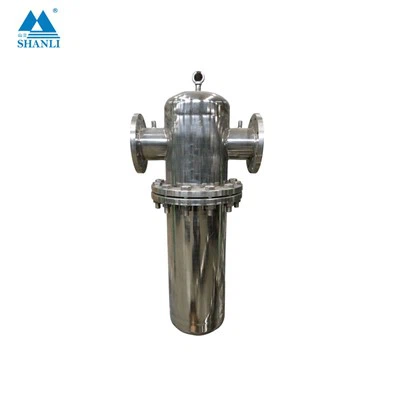
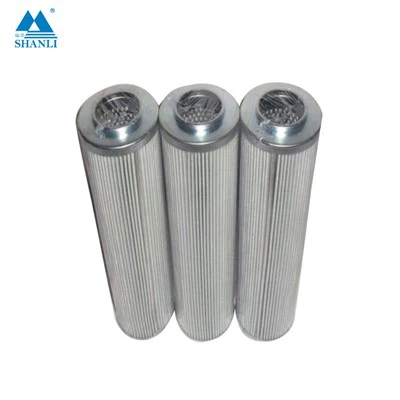
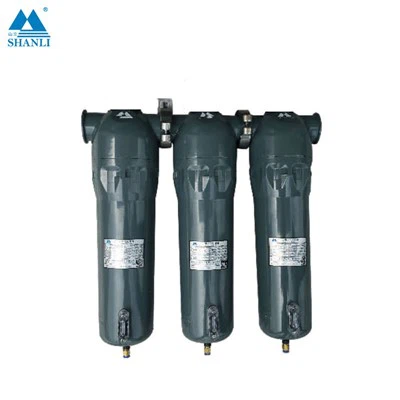
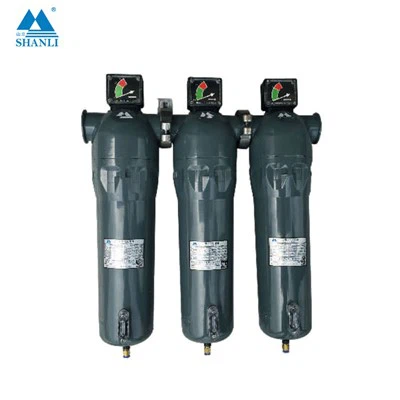
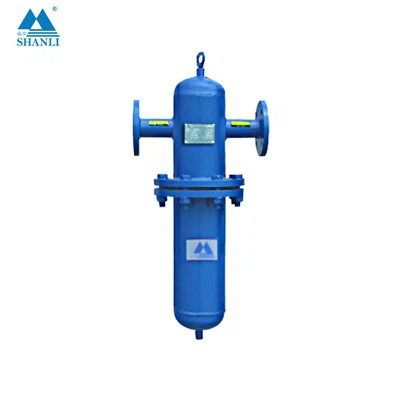
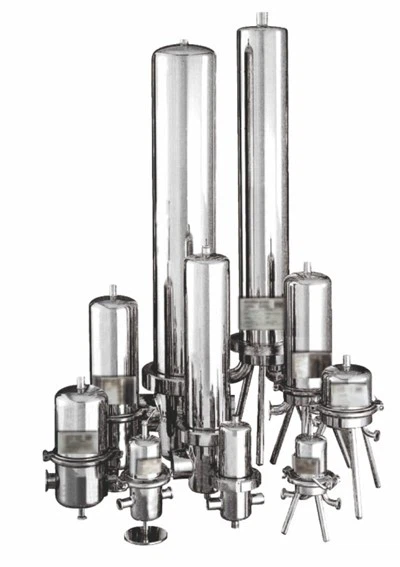
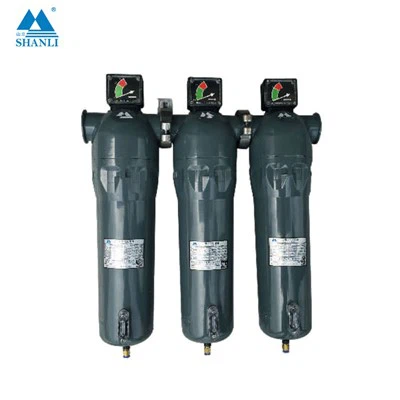
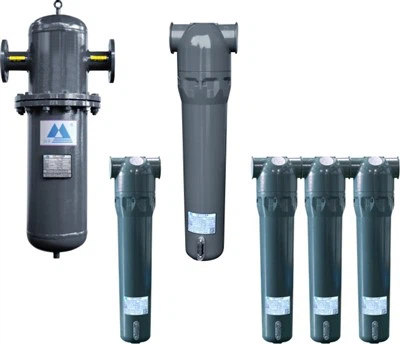
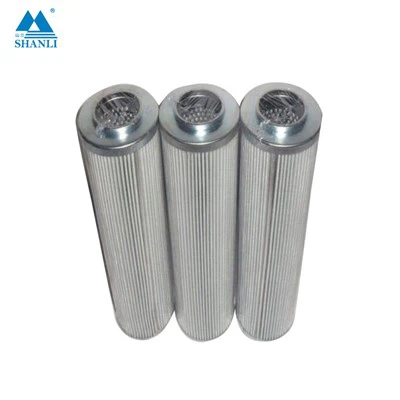
Air filters are devices designed to remove solid particulates and molecular contaminants for the purpose of improving air quality in a system or environment. Air filters typically consist of a sturdy frame, filled with some type of filter media, which is sealed to prevent leaks between the frame and media. Some filters may also have a faceguard — a screen attached to the filter to protect the media during handling — and/or a gasket to prevent leaks between the filter frame and its housing.
Advantages of Air Filter
Improved Air Quality
Air filters effectively remove harmful particles, ensuring a cleaner and healthier working environment for employees and reducing the risk of respiratory issues.
Cost Reduction
Industrial filtration can help industrial facilities save money by reducing energy costs, increasing the life of industrial equipment and preventing costly industrial accidents.
Equipment Protection
Airborne contaminants can damage sensitive industrial equipment and components, leading to costly repairs or replacements. By filtering out these particles, air filters extend the lifespan and improve the efficiency of machinery.
Enhanced Efficiency
Clean air promotes better equipment performance, reducing downtime and increasing productivity. With an air filter in place, professionals can maintain optimal operating conditions and achieve higher efficiency levels.

Why Choose Us
Our Factory
In 2016,the company formally moved in to Renhe advanced manufacturing base in Yuhang District. The newly moved office area is spacious and bright with complete equipped facilities, which will greatly improve the office environment and work efficiency of all employees, create a good service environment for customers and enhance the company image.
Product Application
The products are widely used in electric power, shipbuilding, aerospace, electronics, metallurgy, machinery, automobile manufacturing, petroleum, chemical industry, textile, chemical fiber, light industry, paper-making, rubber, instrumentation, food, air separation, cigarette, medicine, biology, daily chemicals and other industries.
Production Market
We are sold well in more than 30 provinces and cities in China, and nearly 10000 users have played an active role in national key projects. The products have been exported to Pakistan in complete sets for many times West, Australia, Iran, India, Sudan, Indonesia, Vietnam, Saudi Arabia and other Southeast Asia, the Middle East, Central Asia and Africa.
Our Service
Strong and perfect after-sales service network, there are 9 customer service centers in major regions of China, each center has professional service engineers, a total of more than 50 people, quickly and timely solve problems in after-sales service, such as equipment start-up debugging and troubleshooting.
Types of Air Filter
HEPA filter
High-efficiency particulate air filters, more commonly known as HEPA filters, are disposable, dry-type air filters with the ability to filter out at least 99.97% of particles as small as 0.3μm in size, as defined in the Standard AS4260:1997. While air purifiers without a HEPA filter exist and are efficient up to a certain degree, HEPA filters are still a standard feature in many air purifier models sold in the market.
Pre-filter
Pre-filters are often seen as the least important of all the air filters in an air purifier. However, being the “gate-keeper”, a pre-filter prevents large airborne debris such as pet fur, hair, and clumps of dust from entering the air purifier and potentially clogging up the delicate HEPA filter. This greatly extends the lifespan of the HEPA filter and ensures that the HEPA filter has more capacity in trapping microscopic particles that are otherwise difficult to remove from the air.
Many pre-filters in the market can be cleaned by gently vacuuming the surface once in a while. Some pre-filters are washable as well. It is recommended to read the user manual or check with the manufacturer before removing pre-filters for cleaning. Regular maintenance of the pre-filter helps to make sure that the air purifier can run optimally without hindered airflow.
Activated carbon filter
Even though HEPA filters are efficient in removing microscopic particles in solid forms, indoor air pollutants in gaseous forms, such as the volatile organic compounds (VOCs), have no issue passing through them. VOCs are the source of odours that come from cigarette smoke, new furniture, and newly painted walls.
To tackle odour issues indoors, activated carbon filters, sometimes known as adsorbent filters or deodorising filters, are required. They capture VOCs through the adsorption process where VOCs are attached to the surfaces of the activated carbon atoms within the filter. The activated carbon technology is commonly used in water filtration systems as well.
Electrostatic filter
Electrostatic filters are made up of two sections—the ionising section consists of wires where airborne particles in the air are given a positive charge when they pass through, and the collection section, where these positively charged particles are attached to negatively charged collection plates, removing them from the air.
TiO2 filter
Titanium Dioxide (TiO2) filters utilise the photocatalysis process to break down organic compounds such as VOCs through oxidation. The filters are coated with the photocatalyst known as TiO2 which reacts with light to form oxygen radicals. These oxygen radicals react with organic compounds to destroy them, removing odour from the air.
How to Choose Air Filter
Any air filter should follow ISO 8573 guidelines. You could be sued if you don't follow these rules since it puts you in legal trouble. The tiniest particles your filter can capture are indicated by its air filter rating. A typical industrial filter is between five and forty microns. However, there are also additional diameters like 20, 25, and 75 microns available, albeit at lesser frequencies. If your production process is extremely delicate, you can select a filter that can catch particles as small as one micron or smaller.
Different sized air filters are available, each of which is made to accommodate a particular flow capacity. There is a pressure drop as a result of the capacity that is constantly flowing through your machinery. Therefore, the size of your compressor should be determined by the largest pressure drop over your filter. The amount of electricity required to compress the air grows as the pressure drop rises. Fine-rated filters typically result in an increase in pressure drop. So, unless your activities require detailed filtering, stay away from very fine ratings. The recommended pressure drop for your filter is often no more than five PSIG.
A centrifugal compressor or a reciprocating rotary screw might be used. There are particular air filters that would suit and function optimally with each type of compressor made by air compressor manufacturers. For instance, a coalescing filter will be necessary if you use a rotary screw compressor to remove the oil needed to cool the compressor. On the other hand, since centrifugal compressors don't use any oil, you don't typically need to filter out oil vapours.
Three different types of air filters are often available: general-purpose, activated-carbon, and coalescing filters. Each category deals with a certain contamination type:
General-purpose FIlters- These eliminate solid contaminants including dust and rust scale.
Activated carbon filters- These utilise charcoal's carbon to absorb lubricating gases and vapours.
Coalescing filters- These eliminate tiny particles, including paint fluid, water, and oil.
Air filters are used in numerous industrial applications. The sort of filter that is best for you depends on your line of work and the accompanying toxins. Additionally, filters always capture particles during each use. As a result, you eventually need to clean and replace the filters. When your compressor runs for extended periods of time, more pollutants are trapped. You will therefore need to clean the filter more frequently.
The high need for clean and dry compressed air in applications, such as pharmaceuticals, research and development, defense, and food processing, has led to the increased incorporation of industrial air filters. Unfortunately, the availability of compressed air does not automatically translate to acceptable air qualities for these applications. While installing the suitable air dryer eliminates corrosion and contaminant-enabling moisture, air filters screen out accumulated debris or contaminants.
The general working principle of industrial air filters includes the flow of air from the compressor to the dryer and then to the particulate filter, which traps the debris, oil, dirt, and other contaminants. Another dryer further dehumidifies the resultant air and sends it to a coalescing filter, eliminating aerosols, oil, and water impurities, continuing to another particulate filter for final air purification.

A filter's MERV (Minimum Efficiency Reporting Value) rating is a valuable metric to consider. However, there are others that you should consider, including a filter's resistance or pressure drop, and its dust-holding capacity and dust-spot efficiency.
A filter's resistance, or pressure drop, indicates the impact that a given filter has on an HVAC (heating, ventilation and air conditioning) system's airflow. To increase air-filter efficiency, select a filter with a lower pressure drop. Filters with lower pressure drops have less resistance, which increases airflow and helps your air conditioner operate more efficiently.
Dust-holding capacity is closely related to pressure drop. This metric indicates how much dust a filter can hold at a specific pressure-drop point. To compare the relative dust-holding capacities of different air filters, be sure to look at products with similar or identical pressure-drop ratings. However, keep in mind that your filter's pressure-drop performance will decrease as dust accumulates in the filter. To maintain optimal performance, it's vital to clean or change your air filter every six to eight weeks.
Finally, dust-spot efficiency is a measurement of how well a given filter removes large particles of dust from the air under controlled test conditions. The greater a filter's dust-spot efficiency, the better your air quality will be.
Precautions for Using an Air Filter

Pay attention to the operation
Different customers have different habits when using air filters. Due to different operating methods, even if they are the same device, they will have different effects. During the use of the equipment, we recommend that you select some people with installation experience to use the equipment. Experienced staff will operate the equipment according to the characteristics of the equipment, and they know how to adjust the operation that will help the equipment so as to help improve overall efficiency.

Environmental requirements
Air filters have certain requirements for the use of the environment. If there are many dusts and stains in the environment, it will have an adverse effect on the use of the equipment. Therefore, before using, we recommend that you do a comprehensive cleaning . In particular, the dust inside the entire air conditioning system and the entire site should be cleaned up to the standard of use. In addition, the location of different customers using the equipment is different, no matter where it is used, we recommend that everyone confirm that the environment is clean and then install and use.

Installation aspects
The air filter has certain requirements for the installation angle during the installation process. If the installation angle is not correct, it will have a certain impact on the later use of the equipment. In this regard, we recommend that you pay attention to the installation of a relatively flat place to ensure that the equipment is installed correctly and reasonably.
Components of Air Filter
Soundproofing Box For Extractor Fan
Designed to achieve an effective softening of the noise of each type of fan. The structure of this box is composed of panels in galvanized sheet covered internally with sound-absorbing material.
Rotary Airlock Valve
The rotary valve is a component for the continuous discharge of granular or powdery products coming from silos, hoppers, pneumatic conveying systems, filters, cyclones. The dusts coming from the filter hopper or from the screw, fall into the loading mouth of the valve, are conveyed, and subsequently unloaded in the lower part.
Screw Conveyor For Cement & Powder
The screw conveyor is a special system for transporting and loading wood chips, with endless screw and containment space of the transported material, complete with gearmotor.
Silos Extractor
The silos extractor is a system that allows the extraction of wood chips from a storage silo. It consists of leaf springs to move the sawdust, a horizontal screw fixed to the floor of the silo and a rotary valve.
Centrifugal Fan
The centrifugal fan generates the necessary depression to allow the suctioned air to move through pipes, filters and machines. It is used in various industrial sectors, both in the field of ventilation and suction, pneumatic transport, mechanical fume drafting and air conditioning.
HT Fan For High Temperatures
The centrifugal fan HT generates the necessary depression to allow the suctioned air to move through filters, machines and pipes. This type of fan can be used in different industrial sectors, from ventilation and suction to pneumatic conveyor, air-conditioning and fumes forced draft.
Spark Trap
The spark trap is a component installed along the pipe that connects the polluting source with the filtering system. The spark trap, through a cyclonic effect, decant in a special collection bin any incandescent fragments carried by the suctioned gas.
Problems That May Occur if the Air Filter Is Not Replaced in Time
Short cycling
It's normal for an HVAC system to cycle off and on throughout the day. However, if the air filter is overly dirty it can cause the cycles to become shorter and shorter, making the system work harder to maintain the desired temperature, which leads to more energy consumption and uncomfortable changes in temperature.
Freezing up
A clean filter allows the air to flow freely through it. A dirty air filter restricts adequate flow of cold air in the summer months, which causes cool air to keep building up on the inside of the system. Over time, this will lead to ice forming on evaporator coils, causing damage and expensive repairs.
Uneven heating and cooling
Another drawback of restricted air flow due to a dirty air filter is that the heating and the cooling will not be even and the system will be unable to maintain the desired level of comfort in the area.
Buildup of allergens
If any person within your household has problems with respiratory allergies or asthma, it's paramount to keep the filter clean at all times. Allergens build up on dirty filters, where they linger for months while they're slowly being released into the air.
Reduced efficiency
Some hold off with filter replacement because of the costs. However, they need to know that dirty air filters cause their entire HVAC system to become less efficient. This means that it will use more electricity trying to keep the temperature at a desired level ultimately costing your more money down the road.

Turn off the power: Also, turn off any fans in the area at least 20 minutes prior to servicing a filter.
Wear personal protective equipment (PPE): This includes a face mask, nitrile gloves, and shoe covers.
Remove the old filter: Simply slide it out of the slot that holds it in place.
Check the condition of the filter: Does it look clogged with dirt and dust? Many factors can impact how fast a filter will become clogged, shortening the life of the filter.
Place the old filter in a plastic bag: Be careful not to shake or drop it, as particles can be released into the air by any sudden movements. Tie the bag shut, taping it for good measure.
Dispose of the filter in a garbage can: If the filter has a permanent frame, the media should be removed outside. Be sure to dispose of the old filter in an outdoor trash can.
Insert the new filter: Look for an arrow on the filter's frame to show the direction that air should flow through the filter, which is always away from the return air duct and toward the air handler mechanism.
When inserting the filter back in the housing, make sure the arrow points away from the return and toward the air handler. Write down the date you replaced the filter, for reference.
FAQ