

When it comes to the critical process of sterilization in various industries such as pharmaceuticals, biotechnology, food and beverage, and electronics, sterilization grade filters play an indispensable role. As a trusted supplier of Sterilization Grade Filter, I often encounter inquiries about the differences between liquid and gas sterilization grade filters. Understanding these differences is crucial for selecting the right filter for specific applications, ensuring optimal performance, and maintaining product quality and safety.
Structure and Material Composition
One of the primary differences between liquid and gas sterilization grade filters lies in their structure and material composition. Liquid filters are typically designed to remove particles, microorganisms, and other contaminants from liquids. They are often made of materials such as polyethersulfone (PES), cellulose acetate, or nylon, which offer high flow rates, low protein binding, and excellent chemical compatibility. These materials are also capable of retaining bacteria and other microorganisms, ensuring the sterility of the filtered liquid.
On the other hand, gas sterilization grade filters are designed to remove contaminants from gases, such as air, nitrogen, or oxygen. They are commonly made of materials like polytetrafluoroethylene (PTFE), polypropylene, or glass fiber. PTFE is a popular choice for gas filters due to its hydrophobic nature, which prevents the filter from wetting and allows for efficient gas flow. Polypropylene and glass fiber filters are also used for their high particle retention efficiency and chemical resistance.
Pore Size and Retention Efficiency
Pore size is another critical factor that differentiates liquid and gas sterilization grade filters. Liquid filters typically have smaller pore sizes compared to gas filters. This is because liquids can carry a wider range of contaminants, including bacteria, viruses, and endotoxins, which require a finer filtration level to ensure sterility. The most common pore size for liquid sterilization grade filters is 0.22 µm, which is capable of retaining 99.99% of bacteria and other microorganisms.
Gas filters, on the other hand, generally have larger pore sizes. While the pore size can vary depending on the application, a common pore size for gas sterilization grade filters is 0.45 µm. This larger pore size allows for higher gas flow rates while still providing effective removal of contaminants. However, for applications that require the removal of smaller particles or microorganisms, gas filters with smaller pore sizes, such as 0.22 µm, may be used.
The retention efficiency of liquid and gas filters also differs. Liquid filters are designed to achieve a high level of retention efficiency for microorganisms and particles. They are often tested using the bubble point test or the diffusion test to ensure that they meet the required standards for sterilization. Gas filters, on the other hand, are typically tested for their particle retention efficiency using methods such as the aerosol challenge test.
Flow Rate and Pressure Drop
Flow rate and pressure drop are important considerations when selecting a sterilization grade filter. Liquid filters generally have lower flow rates compared to gas filters. This is because liquids are more viscous than gases, which creates more resistance to flow through the filter. To achieve a reasonable flow rate, liquid filters may need to have a larger surface area or be operated at a higher pressure.
Gas filters, on the other hand, can achieve higher flow rates due to the lower viscosity of gases. They are designed to minimize pressure drop, which is the difference in pressure between the inlet and outlet of the filter. A high pressure drop can indicate that the filter is clogged or that there is a problem with the filtration system. Gas filters are often designed with a pleated structure to increase the surface area and reduce the pressure drop.
Application and Operating Conditions
The application and operating conditions also play a significant role in determining whether a liquid or gas sterilization grade filter is required. Liquid filters are commonly used in applications such as pharmaceutical manufacturing, where they are used to sterilize liquids such as water for injection, buffers, and drug solutions. They are also used in the food and beverage industry to clarify and sterilize liquids such as fruit juices, beer, and wine.
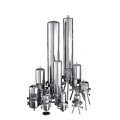

Gas filters are used in applications where the sterilization of gases is required. This includes applications in the pharmaceutical and biotechnology industries, where they are used to sterilize air and other gases used in cleanrooms, fermentation processes, and packaging operations. Gas filters are also used in the electronics industry to remove contaminants from gases used in semiconductor manufacturing.
The operating conditions, such as temperature, pressure, and chemical compatibility, also vary between liquid and gas filters. Liquid filters may need to withstand higher pressures and temperatures, depending on the application. They also need to be chemically compatible with the liquids being filtered. Gas filters, on the other hand, may need to operate at different pressures and temperatures, and they need to be compatible with the gases being filtered.
Conclusion
In conclusion, liquid and gas sterilization grade filters have several differences in terms of structure, material composition, pore size, retention efficiency, flow rate, pressure drop, application, and operating conditions. As a supplier of Sterilization Grade Filter, I understand the importance of selecting the right filter for each application. By considering these differences, customers can make an informed decision and choose the filter that best meets their needs.
If you are in the market for a sterilization grade filter, whether it is a liquid or gas filter, we are here to help. Our team of experts can provide you with detailed information about our products, including Sterilization Container Filter and Aseptic Filter. We can also assist you in selecting the right filter for your specific application and provide you with technical support throughout the process. Contact us today to discuss your requirements and start the procurement process.
References
- "Sterilization Filtration in the Pharmaceutical Industry." Pharmaceutical Technology.
- "Gas Filtration for Cleanrooms and Process Applications." Filtration + Separation.
- "Liquid Filtration in the Food and Beverage Industry." Food Technology Magazine.
