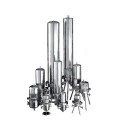
Hey there! As a supplier of Desiccant Air Dryers, I often get asked a bunch of questions. One that pops up quite frequently is, "Can a desiccant air dryer handle high - pressure air?" Well, let's dive right into this topic and find out.
First off, let's understand what a desiccant air dryer does. These dryers are crucial in getting rid of moisture from compressed air. Moisture in compressed air can cause all sorts of problems, like rusting pipes, damaging equipment, and even affecting the quality of the end - product in some industrial processes. So, a desiccant air dryer is a must - have for many industries.
Now, when it comes to high - pressure air, things get a bit more complicated. High - pressure air means the air has a greater force behind it, and that can have an impact on how the desiccant air dryer functions.
How Desiccant Air Dryers Work
Desiccant air dryers use a material called desiccant to absorb moisture from the compressed air. The desiccant is usually something like activated alumina or molecular sieves. When the wet compressed air passes through the desiccant bed, the moisture gets trapped, and dry air comes out the other end.
There are two main types of desiccant air dryers: heatless and heated regenerative dryers. The Desiccant Air Dryer Compressed Air Dryer Dry Tech falls into the heatless regenerative category. These heatless dryers rely on a small portion of the dried air to regenerate the desiccant. On the other hand, heated regenerative dryers use external heat to dry the desiccant. A great example of a heated regenerative dryer is the High Quality Air Compressor 28m3/min Desiccant Air Dryer.
Challenges with High - Pressure Air
- Desiccant Resistance: High - pressure air has a greater force pushing through the desiccant bed. This can sometimes cause the desiccant to compact more than it should. When the desiccant gets too compact, the air flow can be restricted. It's like trying to push water through a clogged pipe. The dryer might not be able to dry the air as effectively.
- Pressure Drop: A significant pressure drop across the dryer can occur with high - pressure air. This pressure drop means that the system has to work harder to maintain the desired pressure. It can lead to increased energy consumption and can even affect the overall efficiency of the compressed air system.
- Regeneration Process: In the case of regenerative desiccant air dryers, the regeneration process can be affected. For heatless dryers, the high - pressure air might disrupt the balance of the small portion of dried air used for regeneration. For heated dryers, the high pressure can make it more difficult for the heat to evenly distribute through the desiccant bed.
Can They Handle High - Pressure Air?
The short answer is yes, but with some considerations. Modern desiccant air dryers are designed to handle a wide range of pressures. However, it's important to choose the right dryer for your high - pressure application.
If you're dealing with high - pressure air, you need to look at the dryer's specifications. Check the maximum pressure rating of the dryer. Some dryers are built to handle pressures up to 100 psi or more, while others are designed for lower pressures.
For example, if you need a dryer for a high - pressure application, our Desiccant Air Dryer For Sale offers a variety of options with different pressure ratings. You can choose one that suits your specific needs.
Tips for Using Desiccant Air Dryers with High - Pressure Air
- Proper Sizing: Make sure you size the dryer correctly for your high - pressure air system. An undersized dryer won't be able to handle the air volume and pressure, while an oversized one can be a waste of money and energy.
- Regular Maintenance: High - pressure air can put more stress on the dryer. So, it's crucial to perform regular maintenance. This includes checking the desiccant bed for compaction, cleaning the filters, and ensuring the regeneration system is working properly.
- Monitoring: Keep an eye on the pressure drop across the dryer. If you notice a significant increase in pressure drop over time, it could be a sign of a problem, like desiccant compaction or a clogged filter.
Why Choose Our Desiccant Air Dryers for High - Pressure Applications
We've been in the business for a long time, and we know what it takes to make a desiccant air dryer that can handle high - pressure air. Our dryers are built with high - quality materials that can withstand the forces of high - pressure air.
We also offer a wide range of models, so you can find the perfect dryer for your specific application. Whether you need a heatless or heated regenerative dryer, we've got you covered.
Plus, our team of experts is always available to help you with any questions or concerns you might have. We can assist you with sizing the dryer, installation, and maintenance.


Time to Get in Touch
If you're in the market for a desiccant air dryer that can handle high - pressure air, don't hesitate to reach out. We're here to help you find the best solution for your needs. Whether you're a small business or a large industrial facility, we have the right dryer for you. Contact us today to start the procurement process and get the best desiccant air dryer for your high - pressure application.
References
- Air Compressor Handbook, Industrial Press Inc.
- Compressed Air and Gas Handbook, Ingersoll - Rand