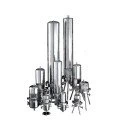
Hey there! As a supplier of sterilization filters, I've seen firsthand how important it is to store these filters properly. A sterilization filter is a crucial component in many industries, from healthcare to food and beverage production, and improper storage can lead to a whole host of problems. In this blog post, I'm going to share some tips on how to store a sterilization filter correctly to ensure its effectiveness and longevity.
Why Proper Storage Matters
Before we dive into the storage tips, let's quickly talk about why proper storage is so important. Sterilization filters are designed to remove contaminants from air or liquid, and they do this through a combination of physical and chemical processes. If a filter is stored incorrectly, it can become damaged, contaminated, or otherwise compromised, which can reduce its ability to filter out harmful particles. This can lead to product contamination, equipment damage, and even health risks in some cases.
Ideal Storage Conditions
The first step in proper storage is to understand the ideal conditions for your sterilization filter. Most filters are designed to be stored in a cool, dry place away from direct sunlight and sources of heat. The temperature should be between 40°F and 80°F (4°C and 27°C), and the relative humidity should be between 30% and 60%. These conditions help to prevent the growth of mold and bacteria, which can damage the filter and reduce its effectiveness.
It's also important to store the filter in a clean environment. Dust, dirt, and other contaminants can accumulate on the filter surface, which can clog the pores and reduce its flow rate. To prevent this, store the filter in a sealed container or bag, and make sure the storage area is clean and free of debris.
Packaging and Handling
When it comes to storing a sterilization filter, the packaging is just as important as the storage conditions. Most filters come in a sealed package that is designed to protect them from damage and contamination during shipping and storage. It's important to keep the filter in its original packaging until you're ready to use it. If the packaging is damaged or opened, the filter may be at risk of contamination.
When handling the filter, make sure to wear clean gloves and avoid touching the filter surface. Oils and dirt from your hands can transfer to the filter, which can reduce its effectiveness. If you need to move the filter, use a clean, dry tool or container to avoid direct contact.
Special Considerations for Different Types of Filters
Not all sterilization filters are created equal, and different types of filters may require special storage considerations. Here are some tips for storing different types of sterilization filters:
- Filter Used for Sterilization: These filters are typically used to remove bacteria, viruses, and other microorganisms from air or liquid. They are often made of materials such as polypropylene, polyester, or cellulose, and they may be pleated or non-pleated. To store a filter used for sterilization, make sure to keep it in its original packaging and store it in a cool, dry place. Avoid exposing the filter to high humidity or moisture, as this can cause the filter to become clogged or damaged.
- Sterilizing Air Filter: These filters are designed to remove contaminants from the air, such as dust, pollen, and bacteria. They are often used in HVAC systems, cleanrooms, and other applications where clean air is essential. To store a sterilizing air filter, make sure to keep it in a sealed container or bag to prevent dust and dirt from accumulating on the filter surface. Store the filter in a cool, dry place away from direct sunlight and sources of heat.
- Sterilization Water Filter: These filters are used to remove contaminants from water, such as bacteria, viruses, and chemicals. They are often made of materials such as activated carbon, ceramic, or reverse osmosis membranes. To store a sterilization water filter, make sure to keep it in its original packaging and store it in a cool, dry place. Avoid exposing the filter to high temperatures or freezing temperatures, as this can damage the filter and reduce its effectiveness.
Regular Inspections
Even if you store your sterilization filter properly, it's still important to inspect it regularly to make sure it's in good condition. Check the filter for signs of damage, such as tears, holes, or discoloration. If you notice any damage, replace the filter immediately to ensure its effectiveness.
It's also a good idea to check the filter's expiration date. Most filters have a shelf life of one to two years, depending on the type of filter and the storage conditions. If the filter is past its expiration date, it may not be as effective at removing contaminants, so it's important to replace it.


Conclusion
Proper storage of a sterilization filter is essential to ensure its effectiveness and longevity. By following these tips, you can help to prevent damage, contamination, and other problems that can reduce the filter's ability to remove harmful particles. Remember to store the filter in a cool, dry place away from direct sunlight and sources of heat, keep it in its original packaging, and handle it with clean gloves. And don't forget to inspect the filter regularly and replace it if it's damaged or past its expiration date.
If you're in the market for a sterilization filter, or if you have any questions about proper storage or maintenance, please don't hesitate to contact us. We're here to help you find the right filter for your needs and ensure that it performs at its best.
References
- "Filter Storage and Handling Guidelines." Filtration & Separation, [publication date].
- "Best Practices for Sterilization Filter Storage." Journal of Healthcare Engineering, [publication date].
- "How to Store and Maintain Sterilization Filters." American Filtration & Separations Society, [publication date].