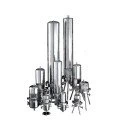
Hey there, fellow pet lovers and indoor air quality enthusiasts! As a supplier of Sterilizing Air Filter, I get asked a ton of questions about what these nifty devices can and can't do. One question that pops up more often than not is, "Can a sterilizing air filter remove pet dander?" Well, let's dive right in and find out!
First things first, what exactly is pet dander? Pet dander consists of tiny, often microscopic, flecks of skin shed by cats, dogs, birds, and other furry or feathered friends. It's not just the hair that can trigger allergies; these dander particles are a major culprit. They can float in the air for hours and settle on furniture, floors, and clothing. For people with pet allergies, even a small amount of dander can cause sneezing, itching, watery eyes, and other uncomfortable symptoms.


Now, let's talk about how sterilizing air filters work. These filters are designed to not only trap particles but also kill or neutralize germs, bacteria, and viruses. They use a combination of filtration media and sterilization technologies. The most common types of filtration media include HEPA (High-Efficiency Particulate Air) filters, which can capture up to 99.97% of particles as small as 0.3 microns. On top of that, some sterilizing air filters use UV-C light, ozone generators, or other technologies to disinfect the air passing through them.
So, can a sterilizing air filter remove pet dander? The short answer is yes! Most high-quality sterilizing air filters, especially those with HEPA filtration, are very effective at capturing pet dander. Pet dander particles typically range in size from 10 to 100 microns, which is well within the capture range of HEPA filters. When the air circulates through the filter, the dander particles get trapped in the fibrous material of the filter, preventing them from recirculating in the room.
But it's not just about trapping the dander. The sterilization aspect of these filters can also be beneficial. Pet dander can carry bacteria and other microorganisms, which can contribute to poor indoor air quality and potential health issues. The sterilization technologies in the air filter can help eliminate these harmful pathogens, making the air cleaner and safer to breathe.
However, there are a few factors to keep in mind when using a sterilizing air filter to remove pet dander. First, the size of the room matters. If you have a large room or an open - concept living space, you may need a more powerful air filter with a higher CADR (Clean Air Delivery Rate). The CADR indicates how quickly an air filter can clean the air in a room. A higher CADR means the filter can remove pet dander and other particles more efficiently.
Second, the frequency of filter replacement is crucial. Over time, the filter will become clogged with pet dander and other particles, reducing its effectiveness. Most manufacturers recommend replacing the filter every 6 to 12 months, depending on the usage and the level of pet dander in the environment.
Another important consideration is the placement of the air filter. To get the best results, place the filter in an area where there is good air circulation. Avoid placing it behind furniture or in a corner where the air flow may be restricted.
Now, let's compare sterilizing air filters with other types of filters. For example, Sterilization Water Filter is designed to purify water, not air. It uses different technologies and filtration media to remove contaminants from water, such as bacteria, viruses, and heavy metals. On the other hand, Sterilization Container Filter is often used in industrial or medical settings to keep containers and enclosures free from contaminants. While these filters are also important for maintaining a clean environment, they are not suitable for removing pet dander from indoor air.
In my experience as a supplier, I've seen many customers who have noticed a significant improvement in their indoor air quality after using a sterilizing air filter. People with pet allergies have reported fewer allergy symptoms, and the overall smell in the house has become fresher. Some customers have even said that their pets seem more energetic and comfortable, which could be due to the cleaner air.
If you're considering purchasing a sterilizing air filter to remove pet dander, here are a few tips. Look for a filter with a high CADR rating and a long - lasting filter life. Read customer reviews to get an idea of how well the filter performs in real - world situations. And don't forget to consider the size and layout of your room when choosing the right filter.
In conclusion, a sterilizing air filter is a great solution for removing pet dander and improving indoor air quality. It can not only trap the dander particles but also kill the associated bacteria and germs. However, it's important to choose the right filter for your needs and maintain it properly.
If you're interested in learning more about our Sterilizing Air Filter products or have any questions about removing pet dander from your home, feel free to reach out. We're here to help you make the best decision for your indoor air quality. Let's work together to create a cleaner, healthier environment for you and your furry friends!
References
- American Lung Association. (n.d.). Understanding Air Filters. Retrieved from [website]
- EPA. (n.d.). Indoor Air Quality and Pets. Retrieved from [website]
- Manufacturer's guides for various sterilizing air filters.