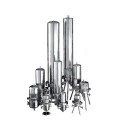
As a supplier of Dust Fine Filters, I often get asked whether these filters can be reused. It's a valid question, especially considering the cost of replacing filters regularly and the growing concern for environmental sustainability. In this blog post, I'll delve into the factors that determine the reusability of dust fine filters, the pros and cons of reuse, and some best practices for extending the life of your filters.
Understanding Dust Fine Filters
Before we discuss reusability, let's first understand what dust fine filters are and how they work. Dust fine filters are designed to capture and remove fine particles from the air, such as dust, pollen, smoke, and other contaminants. They are commonly used in industrial settings, workshops, and even in some household appliances like vacuum cleaners.
There are different types of dust fine filters, each with its own unique characteristics and filtration efficiency. Some of the most common types include Industrial Dust Filter, Shop Vac Fine Dust Filter, and Dust Collector Cartridge Filter. These filters are typically made from materials such as fiberglass, polyester, or paper, and they are designed to trap particles of various sizes.
Factors Affecting Reusability
The reusability of a dust fine filter depends on several factors, including the type of filter, the level of contamination, and the cleaning method used. Let's take a closer look at each of these factors:


Type of Filter
Not all dust fine filters are created equal when it comes to reusability. Some filters are designed to be disposable, while others are more suitable for reuse. For example, filters made from paper or cardboard are generally not reusable because they can easily become damaged or clogged during the cleaning process. On the other hand, filters made from synthetic materials like fiberglass or polyester are more durable and can often be reused multiple times.
Level of Contamination
The level of contamination also plays a significant role in determining whether a filter can be reused. If a filter is only lightly contaminated, it may be possible to clean it and reuse it without sacrificing its filtration efficiency. However, if a filter is heavily contaminated with dirt, dust, or other debris, it may be more difficult to clean and may not be suitable for reuse.
Cleaning Method
The cleaning method used to clean a dust fine filter can also affect its reusability. Some cleaning methods, such as vacuuming or blowing compressed air through the filter, are relatively gentle and can help to remove loose particles without damaging the filter. Other cleaning methods, such as washing the filter with water or using harsh chemicals, can be more aggressive and may damage the filter or reduce its filtration efficiency.
Pros and Cons of Reusing Dust Fine Filters
Now that we've discussed the factors that affect the reusability of dust fine filters, let's take a look at the pros and cons of reusing these filters:
Pros
- Cost Savings: Reusing dust fine filters can help to save money in the long run by reducing the need to purchase new filters regularly.
- Environmental Sustainability: By reusing filters, you can help to reduce waste and minimize your environmental impact.
- Extended Filter Life: Properly cleaning and reusing filters can help to extend their lifespan, which can save you money and reduce downtime.
Cons
- Reduced Filtration Efficiency: Over time, the filtration efficiency of a reused filter may decrease, which can result in poor air quality and increased health risks.
- Damage to the Filter: Improper cleaning methods or excessive cleaning can damage the filter, which can reduce its effectiveness and may even render it unusable.
- Increased Maintenance: Reusing filters requires more maintenance and monitoring to ensure that they are clean and functioning properly.
Best Practices for Reusing Dust Fine Filters
If you decide to reuse your dust fine filters, it's important to follow some best practices to ensure that they are cleaned properly and that their filtration efficiency is maintained. Here are some tips to help you get the most out of your reused filters:
Follow the Manufacturer's Instructions
Before cleaning or reusing a dust fine filter, be sure to read the manufacturer's instructions carefully. The manufacturer may provide specific guidelines on how to clean the filter, what cleaning methods to use, and how often to replace the filter.
Use the Right Cleaning Method
As mentioned earlier, the cleaning method used to clean a dust fine filter can have a significant impact on its reusability. When cleaning a filter, it's important to use a gentle cleaning method that will not damage the filter or reduce its filtration efficiency. Some common cleaning methods include vacuuming, blowing compressed air through the filter, or using a soft brush to remove loose particles.
Inspect the Filter Regularly
Regularly inspecting your dust fine filters is essential to ensure that they are clean and functioning properly. Look for signs of damage, such as holes, tears, or excessive wear, and replace the filter if necessary. You should also monitor the pressure drop across the filter to ensure that it is within the recommended range.
Replace the Filter When Necessary
Even with proper cleaning and maintenance, dust fine filters will eventually need to be replaced. Over time, the filtration efficiency of a reused filter will decrease, and it may no longer be able to provide adequate protection against contaminants. When this happens, it's important to replace the filter with a new one to ensure that your air quality is maintained.
Conclusion
In conclusion, the reusability of a dust fine filter depends on several factors, including the type of filter, the level of contamination, and the cleaning method used. While reusing filters can help to save money and reduce waste, it's important to weigh the pros and cons carefully and to follow some best practices to ensure that the filters are cleaned properly and that their filtration efficiency is maintained.
If you have any questions or concerns about reusing dust fine filters, or if you're interested in purchasing high-quality dust fine filters for your industrial or commercial application, please don't hesitate to contact us. Our team of experts is always available to provide you with the information and support you need to make the right decision for your business.
References
- ASHRAE. (2019). ANSI/ASHRAE Standard 52.2-2017: Method of Testing General Ventilation Air-Cleaning Devices for Removal Efficiency by Particle Size.
- EPA. (2020). Indoor Air Quality Tools for Schools Action Kit.
- OSHA. (2021). Respiratory Protection Standard.