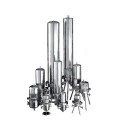
Can a Pre - cooler for Compressed Air be Used in Chemical Industries?
As a supplier of pre - coolers for compressed air, I've often been asked whether our products can be effectively used in chemical industries. In this blog post, I'll delve into the technical aspects, advantages, and potential challenges of using pre - coolers for compressed air in the chemical sector.

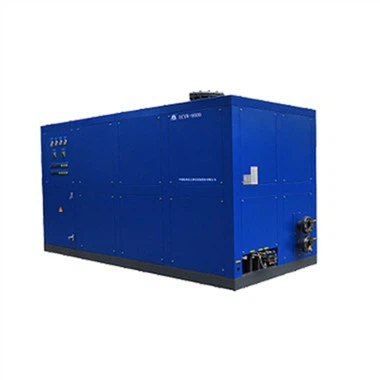
Technical Principles of Pre - coolers for Compressed Air
Before discussing their application in chemical industries, let's understand how pre - coolers for compressed air work. Compressed air is generated by compressing ambient air, which leads to an increase in temperature. A pre - cooler is designed to reduce the temperature of the compressed air before it enters the main air treatment system. This is typically achieved through heat exchange.
There are different types of pre - coolers, such as Swamp Cooler Precooler and Condenser Pre Cooler. The swamp cooler precooler uses the evaporation of water to cool the air, while the condenser pre - cooler transfers heat from the compressed air to a coolant, usually water or a refrigerant.
Advantages of Using Pre - coolers in Chemical Industries
- Improved Air Quality
In chemical industries, the quality of compressed air is crucial. High - temperature compressed air can carry moisture, oil, and other contaminants. By reducing the temperature with a pre - cooler, the moisture in the compressed air condenses, which can be easily removed by subsequent air treatment equipment such as filters and dryers. This results in cleaner and drier compressed air, which is essential for many chemical processes. For example, in chemical reactions where air is used as a reactant or a carrier gas, clean and dry air can prevent unwanted side reactions and ensure the purity of the final products. - Energy Efficiency
Cooling the compressed air before it enters the main air treatment system can significantly improve energy efficiency. When the compressed air is cooler, the load on the downstream air dryers and filters is reduced. This means that these components can operate more efficiently, consuming less energy. Additionally, in some chemical processes, cooler compressed air can be used directly, reducing the need for additional cooling steps in the process. - Equipment Protection
High - temperature compressed air can cause damage to downstream equipment. The heat can accelerate the wear and tear of seals, gaskets, and other components in the air distribution system. By using a pre - cooler, the temperature of the compressed air is brought down to a level that is more suitable for the equipment, extending the lifespan of the equipment and reducing maintenance costs.
Challenges and Considerations
- Corrosion
Chemical industries often deal with corrosive substances. The pre - cooler needs to be made of materials that can withstand corrosion. For example, if the compressed air contains acidic or alkaline substances, the pre - cooler should be constructed from corrosion - resistant materials such as stainless steel or coated with a protective layer. - Compatibility with Chemical Processes
The pre - cooler must be compatible with the specific chemical processes in the industry. Some chemical processes may require compressed air with specific temperature and humidity levels. The pre - cooler should be able to achieve and maintain these parameters. Additionally, the materials used in the pre - cooler should not react with the chemicals involved in the processes. - Maintenance and Monitoring
Regular maintenance and monitoring are essential to ensure the proper functioning of the pre - cooler. In chemical industries, where the environment can be harsh, the pre - cooler may require more frequent inspections and maintenance. This includes checking for leaks, cleaning the heat exchange surfaces, and monitoring the coolant levels.
Case Studies
Let's take a look at some real - world examples of how pre - coolers for compressed air are used in chemical industries.
In a chemical plant that produces fertilizers, the compressed air is used for pneumatic conveying of raw materials and in the reaction vessels. By installing a Pre - cooler for Compressed Air, the plant was able to reduce the moisture content in the compressed air by 50%. This led to a significant improvement in the quality of the fertilizers, as the reduced moisture prevented caking of the raw materials during conveying and ensured more consistent chemical reactions in the vessels.
Another example is a pharmaceutical chemical company. The company uses compressed air in its cleanrooms for various processes such as filling and packaging. The pre - cooler helped to maintain a stable temperature and humidity level in the compressed air, which was crucial for the quality control of the pharmaceutical products. The reduced temperature also extended the lifespan of the air filters in the cleanroom, reducing the frequency of filter replacements.
Conclusion
In conclusion, pre - coolers for compressed air can be effectively used in chemical industries. They offer numerous advantages in terms of air quality, energy efficiency, and equipment protection. However, there are also challenges that need to be addressed, such as corrosion, compatibility with chemical processes, and maintenance.
If you are in the chemical industry and are looking for a reliable pre - cooler for your compressed air system, I encourage you to reach out to us. We offer a wide range of Pre - cooler for Compressed Air products that are designed to meet the specific needs of chemical industries. Our team of experts can help you select the right pre - cooler and provide you with installation, maintenance, and support services. Contact us today to start a discussion about how our pre - coolers can improve your chemical processes.
References
- ASHRAE Handbook - HVAC Systems and Equipment. American Society of Heating, Refrigerating and Air - Conditioning Engineers.
- Compressed Air and Gas Handbook. Ingersoll Rand.
- Chemical Engineering Principles. McCabe, W. L., Smith, J. C., & Harriott, P.