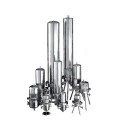
Can a pre - cooler for compressed air be used in textile industries?
Hey there! I'm a supplier of pre - coolers for compressed air, and I often get asked if our products can be used in the textile industry. Well, let's dig into this topic and find out.
First off, let's understand what a pre - cooler for compressed air is. A Pre - cooler for Compressed Air is a device that cools down compressed air before it goes through further processing. Compressed air is used in many industrial applications, and in the textile industry, it plays a crucial role too.
In textile manufacturing, compressed air is used for a variety of purposes. One of the main uses is in pneumatic systems that power machinery. These systems rely on clean, dry, and cool compressed air to function efficiently. If the compressed air is too hot, it can cause several problems.
For starters, high - temperature compressed air can lead to increased wear and tear on the pneumatic components. The heat can cause the rubber seals and gaskets to deteriorate faster, leading to air leaks. These leaks not only waste energy but also reduce the overall efficiency of the machinery. This can result in slower production speeds and higher maintenance costs.
A pre - cooler helps to mitigate these issues by reducing the temperature of the compressed air. By bringing the air temperature down, it extends the lifespan of the pneumatic components and reduces the frequency of maintenance. This, in turn, can save textile manufacturers a significant amount of money in the long run.
Another important aspect in the textile industry is the quality of the final product. Compressed air is often used in processes like yarn spinning, fabric dyeing, and finishing. If the compressed air contains moisture, it can cause problems such as uneven dyeing, weakening of the yarn, and mold growth on the fabric.
Hot compressed air has a higher moisture - holding capacity. When it cools down during the manufacturing process, the moisture can condense, leading to these quality issues. A pre - cooler reduces the air temperature, which helps to remove a significant amount of moisture through condensation. The condensed water can then be drained out, leaving behind cleaner and drier compressed air. This cleaner air ensures better quality control in the textile manufacturing process.
Now, let's talk about the different types of pre - coolers available. There's the Swamp Cooler Precooler. Swamp cooler precoolers work on the principle of evaporative cooling. They use water evaporation to cool the incoming air. In the textile industry, this type of pre - cooler can be a great option, especially in dry climates. The evaporative cooling process is energy - efficient and can provide a significant reduction in air temperature.
Then there's the Condenser Pre Cooler. Condenser pre - coolers use a refrigeration cycle to cool the compressed air. They are more effective in removing moisture from the air compared to swamp cooler precoolers. In textile manufacturing processes where moisture control is critical, a condenser pre - cooler might be the better choice.
In addition to improving machinery performance and product quality, pre - coolers for compressed air can also contribute to a more sustainable textile industry. By reducing energy consumption through better component efficiency and minimizing waste due to product defects, textile manufacturers can lower their environmental impact. This is becoming increasingly important as consumers are more conscious about the environmental footprint of the products they buy.
When it comes to installation, pre - coolers are relatively easy to integrate into existing compressed air systems. Most pre - coolers come with standardized connections, making it straightforward for textile manufacturers to add them to their setups without major overhauls. And once installed, they require minimal supervision. Regular maintenance, such as checking the coolant levels and cleaning the filters, is all that's needed to keep them running smoothly.
However, like any industrial equipment, there are some considerations. The initial cost of purchasing and installing a pre - cooler can be a deterrent for some textile manufacturers. But when you consider the long - term savings in terms of energy costs, maintenance, and improved product quality, it's often a worthy investment.
Also, the size and capacity of the pre - cooler need to be carefully selected based on the specific requirements of the textile manufacturing plant. A pre - cooler that's too small won't be able to handle the volume of compressed air, while one that's too large will be a waste of resources.
In conclusion, pre - coolers for compressed air can definitely be used in the textile industry, and they offer numerous benefits. From improving machinery performance and product quality to contributing to sustainability, they are a valuable addition to any textile manufacturing facility.
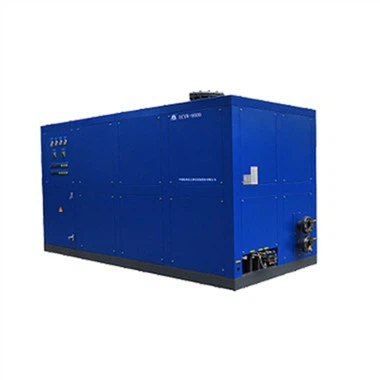

If you're a textile manufacturer and are interested in learning more about how a pre - cooler for compressed air can benefit your operations, I'd love to have a chat with you. We can discuss your specific needs and find the right pre - cooler solution for you. Feel free to reach out for a consultation and let's see how we can work together to improve your manufacturing process.
References
- Compressed Air Systems Handbook
- Textile Manufacturing Processes: A Practical Guide