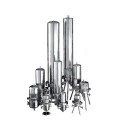
Hey there! As a supplier of Industrial Dust Filters, I've seen firsthand how temperature can play a huge role in how these filters work. In this blog, I'm gonna break down how temperature affects an industrial dust filter and why it's super important to keep an eye on it.
How Temperature Affects Filter Media
Let's start with the filter media. This is the part of the filter that actually traps the dust. Different types of filter media are made from various materials, like polyester, fiberglass, or cellulose. Each of these materials has its own sweet spot when it comes to temperature.
When the temperature gets too high, the filter media can start to break down. For example, polyester filter media can start to melt or become brittle at high temperatures. This means it won't be able to trap dust as effectively, and you might end up with more dust in the air than you'd like. On the other hand, if the temperature is too low, the filter media can become stiff and less flexible. This can reduce its ability to capture dust particles, leading to a decrease in filtration efficiency.
Impact on Filter Performance
Temperature also has a big impact on the overall performance of the industrial dust filter. One of the key performance indicators is the pressure drop across the filter. As the filter traps dust, the pressure drop increases. This is because the dust particles block the flow of air through the filter media.
When the temperature is high, the air becomes less dense. This means that for the same volume of air, there are fewer air molecules. As a result, the pressure drop across the filter might be lower than expected. However, this doesn't mean that the filter is working better. In fact, the reduced density of the air can make it easier for dust particles to pass through the filter, reducing its efficiency.
Conversely, in cold temperatures, the air is more dense. This can cause the pressure drop across the filter to increase more rapidly than normal. If the pressure drop gets too high, it can put a strain on the entire dust collection system. The fan might have to work harder to push the air through the filter, which can lead to increased energy consumption and potentially even damage to the fan.
Effects on Filter Lifespan
Another important aspect to consider is the lifespan of the industrial dust filter. High temperatures can accelerate the aging process of the filter media. The heat can cause the fibers in the media to break down more quickly, reducing the filter's ability to trap dust over time. This means that you'll have to replace the filter more frequently, which can be costly.
Cold temperatures, on the other hand, can cause the filter media to become more prone to cracking. The expansion and contraction of the media due to temperature changes can weaken its structure. Once the media starts to crack, dust can easily bypass the filter, rendering it ineffective.
Dealing with Temperature Variations
So, what can you do to deal with temperature variations and ensure that your industrial dust filter works effectively? One option is to choose a filter media that is suitable for the temperature range in your application. For example, if you're working in a high-temperature environment, you might want to consider using a filter media that is made from materials like ceramic or stainless steel, which can withstand high temperatures.
You can also install temperature sensors in your dust collection system. These sensors can monitor the temperature of the air entering and leaving the filter. If the temperature goes outside the recommended range, you can take action to adjust the system. For example, you might need to increase the airflow to cool the filter or use a heater to warm it up.
Importance of Regular Maintenance
Regular maintenance is crucial when it comes to ensuring the performance of your industrial dust filter, especially in the face of temperature variations. You should regularly inspect the filter for signs of damage, such as cracks or melting. If you notice any issues, you should replace the filter immediately.


It's also important to clean the filter regularly. Dust can accumulate on the filter media, which can increase the pressure drop and reduce the filter's efficiency. By cleaning the filter, you can remove the dust and restore its performance.
Shop for the Right Filters
If you're in the market for a new industrial dust filter, I recommend checking out our Shop Vac Fine Dust Filter. This filter is designed to capture fine dust particles and is suitable for a wide range of applications. We also have a great selection of Industrial Dust Filter and Dust Collector Cartridge Filter that can meet your specific needs.
Contact Us for Purchasing
If you have any questions about how temperature affects industrial dust filters or if you're interested in purchasing a filter, don't hesitate to reach out. We're here to help you find the best solution for your dust collection needs. Whether you're dealing with high temperatures in a foundry or cold conditions in a freezer, we have the expertise and products to ensure that your dust collection system works effectively.
References
- "Industrial Air Filtration Handbook" by Klaus Lunsmann
- "Dust Collection Systems for Woodworking" by Bill Pentz
So, that's a wrap on how temperature affects an industrial dust filter. I hope this blog has been helpful in understanding the importance of temperature management in your dust collection system. Remember, keeping an eye on the temperature and taking the necessary steps to maintain your filter can save you a lot of time, money, and headaches in the long run.