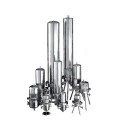
Hey there! As a supplier of Oil Water Separators, I've seen firsthand how important it is to reduce energy consumption in these systems. Not only does it save money, but it's also better for the environment. In this blog, I'll share some practical tips on how to cut down the energy use of an oil water separator.
Understanding the Basics
First off, let's quickly go over what an oil water separator does. It's a device that separates oil and water from industrial wastewater or other liquid mixtures. This separation is crucial for environmental compliance and the proper functioning of many industrial processes. There are different types of oil water separators, like Screw Compressor Oil Separator, Compressed Air Oil Water Separator, and Oil Water Separator Filter. Each type has its own energy requirements and ways to optimize them.
Regular Maintenance
One of the simplest yet most effective ways to reduce energy consumption is through regular maintenance. A well - maintained oil water separator runs more efficiently. For example, clogged filters can make the separator work harder, using more energy to achieve the same separation. Check and clean or replace the Oil Water Separator Filter as recommended by the manufacturer.
Inspect the separator for any leaks. Even a small leak can cause the system to lose pressure and force the pump to work harder, increasing energy usage. Also, make sure all the moving parts are properly lubricated. Friction in unlubricated parts can waste a significant amount of energy.


Optimize Flow Rates
The flow rate of the liquid entering the oil water separator plays a big role in energy consumption. If the flow rate is too high, the separator may not be able to separate the oil and water effectively, and it will have to work longer and harder. On the other hand, if the flow rate is too low, it may be an inefficient use of energy.
You can use flow control valves to adjust the flow rate according to the separator's capacity. Monitor the flow rate regularly and make adjustments as needed. This way, you can ensure that the separator is operating at its most energy - efficient level.
Upgrade to Energy - Efficient Components
If your oil water separator is old, consider upgrading some of its components. Newer models of pumps, motors, and filters are often more energy - efficient. For instance, high - efficiency motors use less electricity to produce the same amount of power as older motors.
When it comes to pumps, variable - speed pumps are a great option. They can adjust their speed according to the demand, which means they use less energy when the separator doesn't need as much power. Upgrading to an energy - efficient Screw Compressor Oil Separator can also make a big difference in overall energy consumption.
Utilize Gravity Separation
Gravity separation is one of the most energy - efficient methods of separating oil and water. Many oil water separators use a combination of gravity and other separation techniques. By designing the separator to take full advantage of gravity, you can reduce the need for energy - intensive processes.
For example, you can ensure that the separator has a proper settling chamber where the oil can rise to the surface and the water can settle at the bottom due to gravity. This reduces the load on other separation mechanisms and saves energy.
Implement Automation
Automation can help optimize the operation of an oil water separator and reduce energy consumption. You can install sensors to monitor various parameters such as oil level, water level, and flow rate. These sensors can send signals to a control system that can adjust the operation of the separator accordingly.
For example, if the oil level in the separator reaches a certain point, the control system can automatically start the oil removal process. This way, the separator only operates when necessary, reducing energy waste.
Train Your Staff
Your staff plays a crucial role in the energy - efficient operation of the oil water separator. Make sure they are trained on the proper use and maintenance of the equipment. They should know how to monitor the system, adjust the flow rate, and perform basic maintenance tasks.
A well - trained staff can also identify potential energy - saving opportunities and report any issues promptly. This can prevent energy - wasting problems from getting worse.
Consider the Location
The location of the oil water separator can also affect its energy consumption. Place the separator in a well - ventilated area to prevent overheating. If the separator overheats, it may require more energy to cool down or may not operate as efficiently.
Also, make sure the separator is close to the source of the wastewater. This reduces the distance the liquid has to travel, which in turn reduces the energy needed for pumping.
Conclusion
Reducing the energy consumption of an oil water separator is not only good for your bottom line but also for the environment. By following these tips, such as regular maintenance, optimizing flow rates, upgrading components, and implementing automation, you can make your oil water separator more energy - efficient.
If you're interested in learning more about our energy - efficient oil water separators or have any questions about reducing energy consumption, feel free to reach out. We're here to help you make the most of your oil water separation system and save on energy costs. Let's work together to create a more sustainable and cost - effective solution for your business.
References
- "Industrial Wastewater Treatment Handbook" by Perry's Chemical Engineers' Handbook
- Manufacturer's manuals for oil water separators and related components