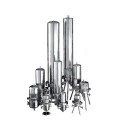
A self-cleaning filter is an essential component in various industrial and commercial settings, offering a reliable and efficient way to remove contaminants from fluids or air. As a self-cleaning filter supplier, we understand the importance of maintaining these filters for optimal performance. In this blog post, we'll share some practical troubleshooting tips to help you address common issues and keep your self-cleaning filter operating smoothly.
Understanding Self-Cleaning Filters
Self-cleaning filters are designed to automatically remove accumulated debris without the need for frequent manual intervention. There are different types of self-cleaning filters, including Self Cleaning Air Compressor Suction Filter, Automatic Self Cleaning Filter, and Industrial Self Cleaning Water Filter. Each type uses specific mechanisms to clean the filter media, such as backwashing, scraping, or brushing.
Common Problems and Troubleshooting Steps
1. Reduced Flow Rate
- Possible Causes:
- One of the most common causes is the accumulation of contaminants on the filter media. Over time, debris can build up and clog the pores, restricting the flow of fluid or air.
- A malfunctioning cleaning mechanism can also lead to reduced flow. If the backwashing system is not functioning properly or the scraper is not moving as it should, the filter may not be cleaned effectively.
- There could be blockages in the inlet or outlet piping, which can impede the flow of the medium through the filter.
- Troubleshooting Steps:
- First, check the pressure differential across the filter. An increase in pressure drop indicates that the filter is clogged. If the pressure drop is above the recommended level, initiate a manual cleaning cycle if your filter has this feature.
- Inspect the cleaning mechanism. For backwashing filters, check the valves and pumps to ensure they are working properly. Make sure there are no leaks or blockages in the backwashing lines. If the filter has a scraping or brushing mechanism, check for any mechanical issues such as broken parts or improper alignment.
- Examine the inlet and outlet piping for any signs of blockage. Look for debris, valves that are not fully open, or kinks in the pipes.
2. Ineffective Cleaning
- Possible Causes:
- The cleaning frequency may be set too low. If the filter is not cleaned often enough, the accumulated debris can become too stubborn to remove.
- The cleaning media, such as the backwashing water or cleaning solution, may be contaminated or of insufficient quality.
- There could be issues with the sensors that trigger the cleaning cycle. If the sensors are not working properly, the filter may not clean at the right time.
- Troubleshooting Steps:
- Review the cleaning frequency settings. Refer to the manufacturer's guidelines to determine the appropriate cleaning interval based on your application. Adjust the settings if necessary.
- Check the quality of the cleaning media. If it is contaminated, replace it with clean media. For backwashing filters, ensure that the backwashing water has the correct pressure and flow rate.
- Test the sensors. Use a multimeter or other appropriate testing equipment to check if the sensors are sending the correct signals. If a sensor is faulty, replace it with a new one.
3. Leakage
- Possible Causes:
- Gaskets or seals may be damaged or worn out. Over time, the constant exposure to fluids or air can cause the gaskets to deteriorate, leading to leaks.
- There could be cracks or holes in the filter housing. These can occur due to physical damage or corrosion.
- Improper installation of the filter components can also result in leakage. If the components are not tightened properly or are misaligned, fluids or air can escape.
- Troubleshooting Steps:
- Inspect the gaskets and seals. Look for any signs of damage, such as cracks, tears, or deformation. If a gasket or seal is damaged, replace it with a new one of the correct size and material.
- Examine the filter housing for cracks or holes. If you find any, depending on the severity, you may be able to repair the housing using a suitable sealant or patching material. In some cases, however, it may be necessary to replace the entire housing.
- Check the installation of the filter components. Make sure all bolts and connections are tightened to the recommended torque. If there are any misaligned components, realign them properly.
4. Unusual Noises
- Possible Causes:
- Loose components within the filter can cause rattling or vibrating noises. This could be due to improper installation or wear and tear.
- The motor or pump associated with the filter may be malfunctioning. A worn-out motor bearing or a damaged pump impeller can produce unusual noises.
- There could be cavitation in the pump. Cavitation occurs when the pressure in the pump drops below the vapor pressure of the fluid, causing the formation and collapse of vapor bubbles, which can create a loud noise.
- Troubleshooting Steps:
- Inspect the filter for loose components. Tighten any loose bolts, screws, or fittings. Check for any parts that may have become detached or are moving freely inside the filter and secure them properly.
- Examine the motor and pump. Listen for any abnormal sounds coming from the motor. Check the motor bearings for wear and tear. If you suspect a problem with the pump, check the impeller for damage and ensure that it is properly balanced.
- If you suspect cavitation, check the pump inlet pressure. Make sure the fluid level is sufficient and there are no blockages in the inlet piping. Adjust the pump speed or the system pressure if necessary.
Preventive Maintenance
In addition to troubleshooting, regular preventive maintenance is crucial for the long-term performance of your self-cleaning filter. Here are some preventive maintenance tips:


- Regular Inspections: Conduct visual inspections of the filter on a regular basis. Check for any signs of wear, damage, or leakage. Look for debris accumulation and ensure that the cleaning mechanism is functioning properly.
- Cleaning Media Replacement: Replace the cleaning media, such as backwashing water or cleaning solution, at the recommended intervals. This will ensure that the filter is cleaned effectively.
- Lubrication: If the filter has moving parts, such as motors or pumps, lubricate them according to the manufacturer's instructions. This will reduce friction and prevent premature wear.
- Calibration: Periodically calibrate the sensors and control systems of the filter to ensure accurate operation.
Contact Us for Your Self-Cleaning Filter Needs
If you are experiencing persistent problems with your self-cleaning filter or are in the market for a new one, we are here to help. As a leading self-cleaning filter supplier, we offer a wide range of high-quality filters to meet your specific requirements. Our team of experts can provide you with professional advice and support, from installation to maintenance and troubleshooting. Contact us today to discuss your needs and explore our product options.
References
- Manufacturer's manuals for self-cleaning filters
- Industry standards and guidelines for filter maintenance
- Technical articles on self-cleaning filter technology