Hey there, fellow folks in the industrial world! As a supplier of pre - coolers for compressed air, I often get asked about the certifications required for these nifty devices. In this blog, I'm gonna break it all down for you.

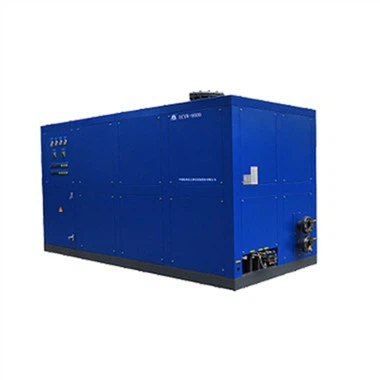
First off, let's quickly understand what a pre - cooler for compressed air does. Compressed air systems are used in a wide range of industries, from manufacturing to food processing. When air is compressed, its temperature shoots up. High - temperature compressed air can cause all sorts of problems, like reducing the efficiency of equipment, increasing wear and tear, and promoting the growth of bacteria in sensitive applications. That's where pre - coolers come in. They cool down the compressed air before it moves on to the next stage of the system, making the whole process smoother and more efficient.
Now, let's talk about the certifications. One of the most important certifications is the ISO 9001 standard. This certification isn't specific to pre - coolers but rather a general quality management system certification. It shows that a company has a well - defined quality management system in place. For us as a pre - cooler for compressed air supplier, having ISO 9001 means that we follow strict procedures in everything from design and development to production, installation, and servicing of our pre - coolers. It gives you, the customer, the confidence that we're committed to delivering high - quality products.
Another crucial set of certifications are related to safety. The CE certification is widely recognized in Europe and many other parts of the world. The CE mark indicates that a product complies with the essential health and safety requirements of European Union legislation. For a pre - cooler for compressed air, this means that it has been tested for things like electrical safety (if it has electrical components), mechanical safety, and protection against environmental hazards. It assures you that the pre - cooler won't pose any undue risks when used as intended.
In the United States, the ASME (American Society of Mechanical Engineers) certification is extremely important. ASME has several standards that might be relevant to pre - coolers. For example, the ASME Boiler and Pressure Vessel Code. Since pre - coolers often deal with pressurized air, they need to be designed, fabricated, and inspected according to these standards to ensure they can safely handle the internal pressures.
Now, let me tell you about some of the specific types of pre - coolers we offer. We have the Swamp Cooler Precooler. This type uses the principle of evaporative cooling. It's great for applications where you want an energy - efficient way to cool the compressed air. The swamp cooler precooler works by using water evaporation to lower the temperature of the incoming air. It's especially useful in hot and dry climates.
Our Pre - cooler for Compressed Air is a comprehensive solution. It's designed to handle a wide range of compressed air volumes and pressures. Whether you have a small - scale operation or a large industrial plant, this pre - cooler can be customized to meet your specific needs.
Then we have the Condenser Pre Cooler. This type is often used in conjunction with condensers in compressed air systems. It helps to pre - cool the air before it reaches the condenser, improving the overall performance of the condenser and reducing the load on it.
The UL (Underwriters Laboratories) certification can also be relevant for pre - coolers. UL is an independent organization that tests products for safety. For pre - coolers, UL certification means that the product has been evaluated for things like fire safety, electrical safety, and shock hazards. If you're operating in an environment with strict safety regulations or if you're looking for an extra layer of assurance on safety, a UL - certified pre - cooler is a great choice.
Compliance with environmental standards is also becoming increasingly important. Certifications like RoHS (Restriction of Hazardous Substances) show that a product doesn't contain certain hazardous materials such as lead, mercury, cadmium, and others. As a responsible pre - cooler for compressed air supplier, we make sure that our products meet these environmental requirements to minimize their impact on the planet.
Temperature and pressure ratings are also important aspects that are often regulated and certified. A pre - cooler should have accurate temperature and pressure ratings certified by a recognized testing body. These ratings tell you the maximum and minimum temperatures and pressures that the pre - cooler can handle safely. If these ratings are exceeded, it can lead to inefficient operation or even failure of the pre - cooler.
For industries that require hygienic compressed air, such as the food, beverage, and pharmaceutical industries, there are specific certifications. For example, the NSF (National Sanitation Foundation) certification for food - contact applications. This certification ensures that the pre - cooler's materials and construction won't contaminate the compressed air in any way and are suitable for use in these sensitive industries.
Now, I know all these certifications might seem a bit overwhelming, but that's exactly why we're here as your trusted pre - cooler for compressed air supplier. We've done all the hard work of ensuring that our products meet these various certifications so that you don't have to worry about a thing.
When you're looking for a pre - cooler for your compressed air system, always check for these certifications. It not only ensures the safety and quality of the product but also makes sure that it's compliant with the relevant regulations in your area.
If you're in the market for a pre - cooler for compressed air and want to learn more about our products and how they meet these certifications, don't hesitate to reach out. We're here to help you make the best choice for your specific needs and ensure that your compressed air system runs at its best.
References
- American Society of Mechanical Engineers (ASME). "Boiler and Pressure Vessel Code".
- International Organization for Standardization (ISO). "ISO 9001: Quality Management Systems".
- Underwriters Laboratories (UL). UL Product Safety Standards.
- European Union. Regulations related to CE certification.
- National Sanitation Foundation (NSF). Standards for food - contact applications.