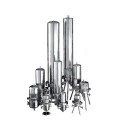
Hey there! As a supplier of oil water separators, I've seen firsthand how crucial these devices are in various industries. Not only do they help in separating oil from water, but they also play a significant role in environmental protection. In this blog, I'll be diving into the environmental regulations related to oil water separators.
Why Environmental Regulations Matter
First off, let's talk about why these regulations exist. Oil and water mixtures are a common by - product in many industries, like manufacturing, automotive, and food processing. If these mixtures are released into the environment without proper treatment, they can cause serious harm. Oil can contaminate water sources, damage aquatic ecosystems, and even affect human health.
Environmental regulations are put in place to ensure that businesses handle their oil - water waste responsibly. They set standards for the amount of oil that can be present in the water discharged from industrial processes. By complying with these regulations, companies not only protect the environment but also avoid hefty fines and legal issues.
Types of Environmental Regulations
National and International Regulations
On a national and international level, there are a number of regulations that govern the use of oil water separators. For example, the United States has the Clean Water Act, which sets limits on the discharge of pollutants into water bodies. This act requires industries to treat their wastewater to remove oil and other contaminants before releasing it into the environment.
Similarly, the European Union has its own set of directives related to water quality and pollution control. These directives aim to protect the aquatic environment and ensure that industries across the EU follow strict standards when it comes to oil - water separation.
Industry - Specific Regulations
Different industries also have their own specific regulations. For instance, the automotive industry has to comply with regulations regarding the disposal of oil - contaminated water from car washes and maintenance facilities. The food processing industry, on the other hand, has regulations related to the separation of oil from wastewater generated during food production.
How Oil Water Separators Help in Compliance
Oil water separators are designed to separate oil from water based on the difference in their densities. There are different types of oil water separators available in the market, each suited for different applications.
Gravity - Based Separators
Gravity - based separators are the most common type. They work by allowing the oil and water mixture to sit in a tank. Since oil is less dense than water, it floats to the surface, and the water can be drained from the bottom. These separators are relatively simple and cost - effective, making them a popular choice for many industries. You can check out our Screw Compressor Oil Separator which uses a similar principle in a more specialized application.


Coalescing Separators
Coalescing separators use a coalescing media to cause the small oil droplets in the water to combine into larger droplets. These larger droplets then float to the surface more easily. This type of separator is more efficient in removing smaller oil droplets and is often used in industries where a high level of oil removal is required. Our Compressed Air Oil Water Separator is an example of a coalescing separator that is designed for use with compressed air systems.
Filter - Based Separators
Filter - based separators use filters to trap the oil particles in the water. These filters can be made of different materials, such as activated carbon or synthetic fibers. They are very effective in removing fine oil particles and can achieve a high level of water purity. If you're looking for a filter - based solution, our Oil Water Separator Filter is a great option.
Maintenance and Monitoring for Compliance
Just having an oil water separator is not enough. Regular maintenance and monitoring are essential to ensure that the separator is working properly and that the company is in compliance with environmental regulations.
Maintenance
Maintenance tasks include cleaning the separator, replacing filters, and checking for any leaks or malfunctions. It's important to follow the manufacturer's instructions for maintenance to ensure the longevity and efficiency of the separator.
Monitoring
Monitoring involves regularly testing the water quality after it has passed through the separator. This can be done using various testing methods, such as measuring the oil content in the water. By monitoring the water quality, companies can quickly identify any issues and take corrective actions to ensure compliance.
The Future of Environmental Regulations and Oil Water Separators
As environmental concerns continue to grow, it's likely that the regulations related to oil water separators will become even more stringent. This means that industries will need to invest in more advanced and efficient oil water separation technologies.
New technologies are being developed all the time, such as membrane - based separators and advanced filtration systems. These technologies offer higher levels of oil removal and are more environmentally friendly. As a supplier, we're constantly researching and developing new products to meet the changing needs of our customers and the evolving regulatory environment.
Conclusion
In conclusion, environmental regulations related to oil water separators are crucial for protecting the environment and ensuring sustainable industrial practices. As a supplier of oil water separators, we're committed to providing our customers with high - quality products that help them comply with these regulations.
If you're in the market for an oil water separator or need more information about our products, don't hesitate to reach out. We'd be more than happy to discuss your specific needs and find the right solution for you. Whether you're a small business or a large corporation, we have the expertise and products to help you meet your environmental compliance goals.
References
- Clean Water Act (United States)
- European Union Water Quality Directives
- Industry - specific regulations from relevant regulatory bodies