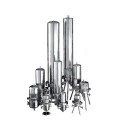
Selecting the right air filter for a bar is no small feat. As an air filter supplier, I've seen firsthand how crucial it is to get this decision right. A bar is a unique environment with its own set of air quality challenges, and choosing the wrong filter can lead to a whole host of problems, from bad odors to health concerns for both staff and patrons. So, let's dive into the factors you need to consider when making this important choice.
Air Quality Requirements
First off, you need to understand the specific air quality needs of your bar. Bars are often filled with a variety of pollutants. Cigarette smoke, if your bar allows smoking, is a major culprit. It contains thousands of harmful chemicals, including tar and nicotine, which can settle on surfaces and linger in the air. Food smells from the kitchen can also be an issue, especially if your bar serves greasy or spicy dishes. And then there are the human pollutants – the exhaled carbon dioxide, body odors, and dander from the people in the bar.
To deal with cigarette smoke, you'll need a filter with a high-efficiency particulate air (HEPA) media. HEPA filters can trap particles as small as 0.3 microns, which is perfect for catching the tiny smoke particles. For food odors, activated carbon filters are your best bet. These filters are designed to adsorb odor molecules, neutralizing the unpleasant smells. And to handle human pollutants, a combination of HEPA and carbon filters can work wonders.
Size and Capacity
The size of your bar is a key factor in selecting an air filter. A larger bar will need a more powerful filter system to effectively clean the air. You need to calculate the volume of your bar space. Measure the length, width, and height of the area and multiply these numbers together to get the cubic footage. Once you have the volume, you can determine the appropriate air changes per hour (ACH) needed.
Typically, bars require an ACH of at least 4-6. This means the entire volume of air in the bar should be filtered 4-6 times per hour. Based on the ACH and the cubic footage, you can then choose an air filter with the right airflow capacity. For example, if your bar has a volume of 5,000 cubic feet and you want an ACH of 5, you'll need a filter that can handle an airflow of 25,000 cubic feet per hour (5,000 x 5).


Noise Level
Let's face it, a bar is a place where people go to relax, have a drink, and socialize. The last thing you want is a noisy air filter ruining the atmosphere. When selecting an air filter, pay close attention to the noise level it produces. Look for filters that are designed to operate quietly, especially if your bar has a more laid-back or upscale vibe.
Some air filters come with noise ratings in decibels (dB). A lower dB rating means a quieter operation. You can also look for filters with features like sound-dampening materials or variable speed controls. Variable speed controls allow you to adjust the fan speed, which can help reduce noise when the bar is less crowded.
Maintenance and Cost
Maintenance is another important factor to consider. A good air filter should be easy to clean and replace. Some filters have washable components, which can save you money in the long run as you won't have to keep buying new filters. However, washable filters may require more frequent cleaning to maintain their effectiveness.
On the other hand, disposable filters are convenient as you can simply replace them when they get dirty. But they can add up in cost over time. You also need to consider the cost of the filter itself. While it may be tempting to go for the cheapest option, remember that a low-quality filter may not do the job effectively, leading to more problems down the road.
When it comes to cost, look at the overall value. Consider the initial purchase price, the cost of replacement filters or maintenance, and the long-term benefits of having a high-quality air filter. A good air filter can improve the air quality in your bar, which can lead to happier customers and a better reputation.
Compatibility with Existing Systems
If your bar already has an existing ventilation or air conditioning system, you need to make sure the air filter you choose is compatible. Some filters are designed to fit specific types of HVAC systems, while others are more universal. Check the specifications of your existing system and look for a filter that matches.
Using an incompatible filter can not only reduce the efficiency of the air filter but also cause problems with your HVAC system. For example, a filter that is too large or too small may not fit properly, leading to air leakage and reduced filtration. It's always a good idea to consult with a professional HVAC technician if you're unsure about compatibility.
Additional Features
Some air filters come with additional features that can be beneficial for a bar. For example, Paper Air Freshener Mi Air Purifier Filter can add a pleasant scent to the air, which can enhance the overall atmosphere of the bar. This can be especially useful if your bar has a strong odor from food or smoke.
Another useful feature is an air purifier air vent shutter, like the Air Purifier Air Vent Shutter. This can help control the airflow and distribution of the filtered air, ensuring that it reaches all areas of the bar evenly. And if you have equipment in your bar that generates a lot of heat, such as an Oil-less Air Fryer Air Jet Loom, an air filter with heat dissipation capabilities can be a great addition.
Conclusion
Selecting the right air filter for a bar involves considering several factors, including air quality requirements, size and capacity, noise level, maintenance and cost, compatibility with existing systems, and additional features. As an air filter supplier, I'm here to help you make the best decision for your bar. If you're interested in learning more about our air filters or need assistance in choosing the right one for your establishment, don't hesitate to get in touch. We can provide you with detailed information and answer any questions you may have. Let's work together to create a healthier and more enjoyable environment for your customers and staff.
References
- "Air Filtration in Commercial Spaces." HVAC Journal.
- "Best Practices for Air Quality in Bars." Hospitality Industry Magazine.