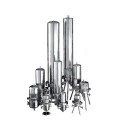
When it comes to industrial air systems, maintaining dry and clean air is crucial for the efficient operation of pneumatic equipment and processes. A modular desiccant air dryer is a key component in achieving this goal. As a supplier of modular desiccant air dryers, I understand that one of the most common questions from potential customers is, "What is the cost of a modular desiccant air dryer?" In this blog post, I will delve into the various factors that influence the cost of these dryers and provide a comprehensive overview to help you make an informed decision.
Understanding Modular Desiccant Air Dryers
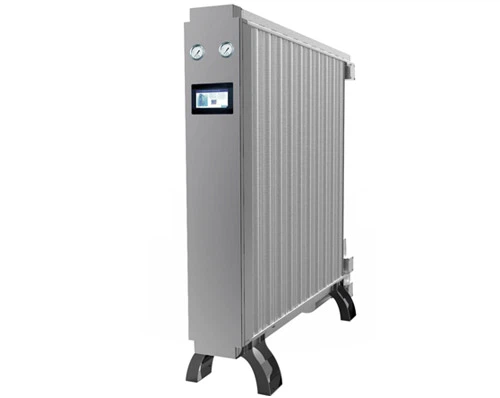
Before we discuss the cost, let's briefly understand what modular desiccant air dryers are. These dryers use a desiccant material, such as silica gel or activated alumina, to adsorb moisture from compressed air. The modular design allows for easy installation, expansion, and maintenance. There are different types of modular desiccant air dryers, including Industrial Desiccant Air Dryer, Heatless Regeneration Modular Adsorption Dryer, and Modular Heatless Desiccant Dryer. Each type has its own unique features and applications, which can affect the cost.
Factors Affecting the Cost of Modular Desiccant Air Dryers
1. Capacity
The capacity of a modular desiccant air dryer, measured in standard cubic feet per minute (SCFM), is one of the primary factors influencing its cost. Higher-capacity dryers can handle larger volumes of compressed air and are generally more expensive. When determining the required capacity, you need to consider the air consumption of your pneumatic equipment and processes. Oversizing or undersizing the dryer can lead to inefficiencies and increased costs in the long run.
2. Dew Point Requirement
The dew point is the temperature at which moisture in the compressed air begins to condense. Different applications have different dew point requirements. For example, industries such as food and beverage, pharmaceuticals, and electronics often require very low dew points (-40°F or lower) to prevent moisture-related issues. Achieving lower dew points typically requires more advanced desiccant materials and additional components, which can increase the cost of the dryer.
3. Type of Regeneration
There are two main types of regeneration for modular desiccant air dryers: heatless regeneration and heated regeneration. Heatless regeneration dryers use a portion of the dried air to regenerate the desiccant, while heated regeneration dryers use external heat sources. Heatless regeneration dryers are generally more energy-efficient but may have a higher initial cost due to the need for a larger desiccant bed. Heated regeneration dryers can be more cost-effective for large-scale applications but require additional energy for heating.
4. Quality and Brand
The quality and brand of the modular desiccant air dryer also play a significant role in determining its cost. Well-established brands with a reputation for reliability and performance often charge a premium for their products. However, investing in a high-quality dryer can save you money in the long term by reducing maintenance costs and downtime. Cheaper alternatives may seem attractive initially but may not offer the same level of durability and efficiency.

5. Additional Features and Accessories
Some modular desiccant air dryers come with additional features and accessories, such as automatic drain valves, moisture sensors, and remote monitoring capabilities. These features can enhance the functionality and convenience of the dryer but will also add to the overall cost. You need to evaluate whether these additional features are necessary for your specific application and budget.
Cost Breakdown
To give you a better idea of the cost range, here is a general breakdown of the prices for modular desiccant air dryers:
- Small-capacity dryers (up to 50 SCFM): These dryers are suitable for small workshops and applications with low air consumption. The cost can range from $1,000 to $5,000, depending on the dew point requirement and additional features.
- Medium-capacity dryers (50 - 200 SCFM): For medium-sized industrial facilities, medium-capacity dryers are commonly used. The price can vary from $5,000 to $15,000, considering factors such as regeneration type and brand.
- Large-capacity dryers (over 200 SCFM): Large-scale industrial applications require high-capacity dryers. These dryers can cost anywhere from $15,000 to $50,000 or more, depending on the specific requirements and complexity of the system.
It's important to note that these are just approximate cost ranges, and the actual price may vary based on market conditions, supplier discounts, and other factors.
Total Cost of Ownership
When considering the cost of a modular desiccant air dryer, it's essential to look beyond the initial purchase price and consider the total cost of ownership (TCO). The TCO includes the cost of installation, energy consumption, maintenance, and replacement parts over the lifespan of the dryer.
- Installation: The installation cost can vary depending on the complexity of the system and the location. Professional installation is recommended to ensure proper operation and safety.
- Energy Consumption: As mentioned earlier, the type of regeneration and the efficiency of the dryer can significantly impact energy consumption. Choosing an energy-efficient dryer can result in substantial cost savings over time.
- Maintenance: Regular maintenance is essential to keep the modular desiccant air dryer in good working condition. This includes replacing the desiccant, filters, and other components as needed. The cost of maintenance can vary depending on the frequency and extent of the service.
- Replacement Parts: Over time, some parts of the dryer may need to be replaced. Having access to high-quality replacement parts at a reasonable price is crucial to minimize downtime and maintenance costs.
Making the Right Decision
When choosing a modular desiccant air dryer, it's important to balance cost with performance and reliability. Here are some tips to help you make the right decision:
- Assess Your Needs: Determine your specific air drying requirements, including capacity, dew point, and any additional features. This will help you narrow down your options and choose a dryer that meets your needs.
- Compare Quotes: Obtain quotes from multiple suppliers and compare the features, prices, and warranties of different dryers. Don't just focus on the initial cost but also consider the long-term benefits.
- Consider the TCO: Look at the total cost of ownership rather than just the purchase price. A dryer with a higher initial cost but lower energy consumption and maintenance requirements may be more cost-effective in the long run.
- Check the Supplier's Reputation: Research the supplier's reputation and customer reviews. A reliable supplier with good customer support can provide you with peace of mind and ensure a smooth purchasing experience.
Contact Us for a Quote
If you're interested in purchasing a modular desiccant air dryer, we'd be happy to provide you with a detailed quote based on your specific requirements. Our team of experts can help you choose the right dryer for your application and budget. Don't hesitate to [contact us](insert contact page link) to start the procurement process. We look forward to working with you to provide a cost-effective and reliable air drying solution for your business.
References
- Compressed Air and Gas Institute (CAGI). "Compressed Air Dryer Selection Guide."
- ASME (American Society of Mechanical Engineers). "ASME PTC 19.16 - Test Code for Compressed Air Dryers."
- Manufacturer's product literature and technical specifications.