Hey there! As a supplier of Water Chiller Unit, I often get asked about the flow rate of water in a water chiller unit. It's a crucial aspect that can significantly impact the performance and efficiency of the chiller. So, let's dive right in and explore what this flow rate is all about.
First things first, what exactly is the flow rate of water in a water chiller unit? Simply put, it's the volume of water that passes through the chiller's system within a specific period. Usually, it's measured in gallons per minute (GPM) or liters per minute (LPM). This rate determines how much heat the water can carry away from the process or equipment being cooled.
Why is the flow rate so important? Well, if the flow rate is too low, the water won't be able to remove enough heat efficiently. This can lead to overheating of the equipment, reduced performance, and even potential damage. On the other hand, if the flow rate is too high, it can put unnecessary stress on the chiller's components, increase energy consumption, and also lead to higher operating costs.
Several factors influence the ideal flow rate for a water chiller unit. One of the main factors is the heat load. The heat load refers to the amount of heat that needs to be removed from the process or equipment. A higher heat load generally requires a higher flow rate to ensure effective cooling. For example, in an industrial setting where large machinery generates a significant amount of heat, a water chiller with a higher flow rate will be needed compared to a small laboratory setup.
The type of water chiller also plays a role. There are different types of water chillers, such as Thermoelectric Water Chiller and Recirculating Water Chiller. Thermoelectric water chillers are often used for smaller applications and may have a relatively lower flow rate requirement. They work based on the Peltier effect and are more suitable for cooling systems with lower heat loads.
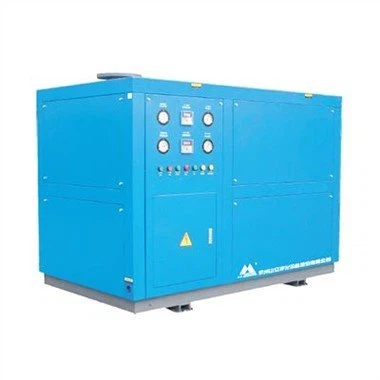
Recirculating water chillers, on the other hand, are designed to continuously circulate water through the system. They can handle a wider range of heat loads and typically require a specific flow rate to maintain proper cooling. The design of the chiller, including the size of the pipes, pumps, and heat exchangers, also affects the flow rate. A well - designed chiller will have components that are optimized to work together at an ideal flow rate.
Another factor is the temperature difference. The greater the difference between the inlet and outlet water temperatures, the more heat the water can absorb. However, to achieve a significant temperature difference, an appropriate flow rate is necessary. If the flow rate is too low, the water will heat up quickly, and the temperature difference will be small, reducing the cooling efficiency.
Now, let's talk about how to determine the right flow rate for a water chiller unit. There are some formulas and calculations involved, but in most cases, it's best to consult with a professional or use the manufacturer's guidelines. The manufacturer usually provides specifications for the recommended flow rate based on the chiller's capacity and the intended application.
In addition to following the manufacturer's guidelines, you can also conduct some tests. You can measure the heat load of the equipment or process being cooled. This can be done by using temperature sensors and flow meters to determine the amount of heat being generated. Once you know the heat load, you can then calculate the required flow rate based on the specific heat capacity of water and the desired temperature difference.
For example, if you know the heat load (in BTUs per hour) and the specific heat capacity of water (1 BTU per pound per degree Fahrenheit), you can calculate the flow rate using the formula: Flow rate (GPM) = Heat load (BTU/hr) / (500 x Temperature difference (°F)). This is a simplified formula, and in real - world applications, there may be other factors to consider, such as the efficiency of the chiller and the properties of the water.
Maintaining the proper flow rate is also crucial. Regular maintenance of the water chiller unit is essential to ensure that the flow rate remains consistent. This includes checking the pumps, pipes, and valves for any blockages or leaks. A clogged pipe or a malfunctioning pump can significantly reduce the flow rate and affect the performance of the chiller.
You should also monitor the water quality. Poor water quality can lead to the formation of scale and corrosion inside the pipes and heat exchangers. This can restrict the flow of water and reduce the efficiency of the chiller. Using water treatment chemicals and filters can help maintain good water quality and ensure a proper flow rate.
In conclusion, the flow rate of water in a water chiller unit is a critical factor that affects the performance, efficiency, and lifespan of the chiller. As a supplier of Water Chiller Unit, I understand the importance of getting this right. Whether you're using a Thermoelectric Water Chiller for a small - scale application or a Recirculating Water Chiller for an industrial process, choosing the appropriate flow rate and maintaining it is key.
If you're in the market for a water chiller unit and have questions about the flow rate or any other aspect of our products, don't hesitate to reach out. We're here to help you make the best choice for your cooling needs. Contact us to start a conversation about your specific requirements and let's find the perfect water chiller solution for you.

References:
- ASHRAE Handbook of Refrigeration.
- Manufacturer's manuals for water chiller units.