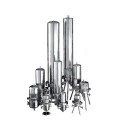
Hey there! As a supplier of air pre - coolers, I often get asked about the maximum pressure an air pre - cooler can withstand. It's a super important question, especially for folks who are looking to invest in these nifty devices. So, let's dive right in and explore this topic.


First off, what exactly is an air pre - cooler? Well, it's a device that cools the incoming air before it goes into a main cooling or compression system. This helps in improving the overall efficiency of the system and can also extend the lifespan of the equipment. There are different types of air pre - coolers, like the Swamp Cooler Precooler, Pre - cooler for Compressed Air, and Condenser Pre Cooler. Each type has its own unique features and is designed for specific applications.
Now, back to the main question: what's the maximum pressure an air pre - cooler can withstand? The answer isn't straightforward because it depends on several factors.
Material and Design
The material used to make the air pre - cooler plays a huge role in determining its pressure resistance. Most air pre - coolers are made from metals like aluminum, stainless steel, or copper. Aluminum is lightweight and has good heat transfer properties, but it may not be as strong as stainless steel. Stainless steel, on the other hand, is highly durable and can withstand higher pressures. Copper is also a popular choice due to its excellent thermal conductivity, but its pressure - handling capacity can vary depending on the thickness and quality of the copper.
The design of the air pre - cooler is equally important. A well - designed pre - cooler will have a structure that can distribute the pressure evenly across its components. For example, some pre - coolers have a tube - and - shell design, where the air flows through tubes while a cooling medium circulates around the tubes in the shell. This design can handle relatively high pressures as long as the tubes and the shell are properly reinforced.
Cooling Medium
The type of cooling medium used in the air pre - cooler can also affect its pressure tolerance. If you're using water as a cooling medium, the pressure within the system needs to be carefully controlled. High - pressure water can cause leaks or damage to the pre - cooler, especially if the seals and joints aren't up to the task. On the other hand, using a refrigerant as a cooling medium may require the pre - cooler to withstand the pressure associated with the refrigerant's phase changes.
Application
The application for which the air pre - cooler is being used is a major factor. In industrial settings, where large volumes of air need to be cooled quickly, the pre - cooler may be subjected to higher pressures. For example, in a manufacturing plant where compressed air is used for various processes, the pre - cooler for compressed air has to handle the pressure of the incoming compressed air. This could range from a few psi (pounds per square inch) to several hundred psi, depending on the specific requirements of the plant.
In a more residential or small - scale commercial application, like a swamp cooler pre - cooler, the pressure requirements are usually much lower. These pre - coolers are designed to work with relatively low - pressure air systems, typically in the range of 1 - 10 psi.
Testing and Certification
To determine the maximum pressure an air pre - cooler can withstand, manufacturers conduct a series of tests. These tests involve subjecting the pre - cooler to increasing pressures until it reaches its breaking point. The results of these tests are then used to set the maximum operating pressure for the device.
Many air pre - coolers also come with certifications from relevant industry standards organizations. These certifications ensure that the pre - cooler has been tested and meets certain quality and safety standards. When you're looking to buy an air pre - cooler, it's a good idea to check for these certifications to make sure you're getting a reliable product.
General Ranges
In general, most standard air pre - coolers for residential and small - scale commercial applications can withstand pressures up to around 20 - 50 psi. These are the types of pre - coolers you might find in a home air conditioning system or a small office building.
For industrial applications, the maximum pressure can be much higher. Some heavy - duty air pre - coolers used in large manufacturing plants or power generation facilities can withstand pressures of 200 psi or more. However, these are specialized units that are designed and built to handle such high pressures.
How to Ensure Safety
If you're using an air pre - cooler, it's crucial to ensure that you're operating it within its recommended pressure limits. Exceeding the maximum pressure can lead to serious problems, such as leaks, bursts, or even explosions in extreme cases.
Here are some tips to keep your air pre - cooler safe:
- Read the Manual: Always read the manufacturer's manual carefully before installing and operating the pre - cooler. The manual will provide you with detailed information about the maximum pressure and other operating parameters.
- Install Pressure Relief Valves: Pressure relief valves are essential safety devices that can prevent the pressure from building up too high in the pre - cooler. Make sure to install them according to the manufacturer's instructions.
- Regular Maintenance: Regularly inspect and maintain your air pre - cooler to ensure that all its components are in good working condition. This includes checking for leaks, damaged seals, and any signs of wear and tear.
Conclusion
So, as you can see, the maximum pressure an air pre - cooler can withstand depends on a variety of factors, including the material, design, cooling medium, and application. Whether you're looking for a Swamp Cooler Precooler, Pre - cooler for Compressed Air, or Condenser Pre Cooler, it's important to choose a product that can handle the pressure requirements of your specific application.
If you're in the market for an air pre - cooler and have questions about pressure ratings or any other aspects of these devices, don't hesitate to reach out. We're here to help you make the right choice for your needs. Whether you're a homeowner looking to improve your air conditioning system or an industrial operator in need of a heavy - duty pre - cooler, we've got you covered. Let's start a conversation about your requirements and find the perfect air pre - cooler for you.
References
- ASHRAE Handbook of Refrigeration
- Industrial Refrigeration Systems: Design, Operation, and Maintenance
- Pressure Vessel Design and Engineering Standards