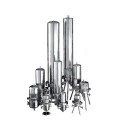
Hey there! As an air pre - cooler supplier, I often get asked if an air pre - cooler can be used in a food processing plant. Well, let's dig into this topic and find out.
First off, what exactly is an air pre - cooler? An air pre - cooler is a device that cools down incoming air before it enters a main cooling or processing system. There are different types out there, like the Pre - cooler for Compressed Air, the Condenser Pre Cooler, and the Swamp Cooler Precooler. Each type has its own unique features and applications.
Now, let's talk about food processing plants. These places have some pretty strict requirements when it comes to maintaining the quality and safety of food products. Temperature control is one of the most critical factors. If the temperature is too high, it can lead to spoilage, bacterial growth, and a whole bunch of other problems that can ruin the food and even pose health risks to consumers.
So, can an air pre - cooler fit into this scenario? Absolutely! Here are some of the ways an air pre - cooler can be super useful in a food processing plant.
1. Improving Refrigeration Efficiency
In a food processing plant, refrigeration systems are used extensively to keep food at the right temperature. But these systems can be energy - hungry. An air pre - cooler can help reduce the load on the main refrigeration units. By cooling the incoming air before it enters the refrigeration system, the system doesn't have to work as hard to reach the desired temperature. This not only saves energy but also extends the lifespan of the refrigeration equipment. For example, if you have a large cold storage room in the plant, using an air pre - cooler can make the cooling process more efficient and cost - effective.
2. Controlling Humidity
Humidity is another important factor in food processing. High humidity can cause moisture to condense on food products, leading to mold growth and other quality issues. An air pre - cooler can help remove some of the moisture from the air as it cools it down. When the air is cooled, the water vapor in it condenses, and this condensed water can be drained away. This helps maintain a more stable and low - humidity environment in the processing area, which is great for preserving the quality of the food.
3. Air Quality Improvement
In a food processing plant, clean air is a must. Air pre - coolers can be equipped with filters that can trap dust, dirt, and other contaminants in the incoming air. This ensures that the air circulating in the plant is clean and free from particles that could contaminate the food. For instance, in a bakery, where fine flour dust is often present in the air, an air pre - cooler with a good filtration system can help keep the air clean and prevent the dust from settling on the baked goods.
4. Protecting Equipment
The machinery and equipment in a food processing plant can generate a lot of heat during operation. If the surrounding air is too hot, it can cause the equipment to overheat and malfunction. An air pre - cooler can help maintain a cooler environment around the equipment, reducing the risk of overheating and breakdowns. This means less downtime for maintenance and repairs, which is crucial for keeping the production line running smoothly.
However, there are also some considerations when using an air pre - cooler in a food processing plant.
1. Hygiene
Since it's a food processing environment, hygiene is of utmost importance. The air pre - cooler needs to be designed and maintained in a way that prevents the growth of bacteria and other microorganisms. It should be easy to clean and sanitize regularly. For example, the materials used in the construction of the pre - cooler should be non - porous and resistant to corrosion so that they can be cleaned effectively without harboring dirt or bacteria.


2. Compatibility with Existing Systems
The air pre - cooler needs to be compatible with the existing ventilation and refrigeration systems in the plant. It should be able to integrate seamlessly without causing any disruptions to the normal operation of the plant. This might require some customization and careful planning during the installation process.
3. Regulatory Compliance
Food processing plants are subject to strict regulations regarding food safety and quality. The use of an air pre - cooler must comply with all relevant regulations. This includes things like ensuring that the materials used in the pre - cooler are food - grade and that the cooling process doesn't introduce any contaminants into the food.
In conclusion, an air pre - cooler can be a valuable addition to a food processing plant. It offers a range of benefits in terms of energy efficiency, humidity control, air quality improvement, and equipment protection. But it's important to address the hygiene, compatibility, and regulatory issues to make sure it works well in the plant environment.
If you're running a food processing plant and are interested in learning more about how an air pre - cooler can benefit your operations, don't hesitate to reach out. We're here to provide you with the best solutions and answer any questions you might have. Whether you need a Pre - cooler for Compressed Air, a Condenser Pre Cooler, or a Swamp Cooler Precooler, we've got you covered. Let's have a chat and see how we can make your food processing plant more efficient and productive.
References
- ASHRAE Handbook of Refrigeration. American Society of Heating, Refrigerating and Air - Conditioning Engineers.
- Food Safety Modernization Act (FSMA) regulations. United States Food and Drug Administration.
- Industrial Ventilation: A Manual of Recommended Practice. American Conference of Governmental Industrial Hygienists.