Do Dust Fine Filters Work in Extremely Cold Environments?
As a supplier of dust fine filters, I've received numerous inquiries regarding the performance of our filters in extremely cold environments. This topic is crucial, especially for industries operating in frigid regions such as the Arctic, high - altitude areas, or cold storage facilities. In this blog, I'll delve into the science behind how dust fine filters function in cold conditions and share insights based on our experiences and industry knowledge.
The Basics of Dust Fine Filters
Before we discuss their performance in cold environments, let's briefly review how dust fine filters work. Dust fine filters are designed to remove fine particles from the air, such as dust, pollen, smoke, and even some microorganisms. They operate based on various principles, including mechanical filtration, electrostatic attraction, and adsorption.
Mechanical filtration is the most common method. Filters with a dense matrix of fibers or pores trap particles as air passes through them. The size of the pores determines the smallest particle size that the filter can effectively capture. Electrostatic filters, on the other hand, use an electrostatic charge to attract and hold particles. Adsorption filters, like activated carbon filters, can trap certain gases and odors in addition to particles.
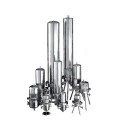
We offer a range of dust fine filters, including the Shop Vac Fine Dust Filter, Dust Collector Cartridge Filter, and Industrial Dust Filter. Each type is tailored to specific applications and particle - removal requirements.
Effects of Cold Temperatures on Filter Materials
The performance of dust fine filters in cold environments is significantly influenced by the properties of the filter materials. Most filter materials are polymers or fibrous materials, and their physical and chemical properties can change with temperature.
1. Brittleness and Structural Integrity
At extremely low temperatures, many polymers become brittle. This brittleness can lead to cracks or breaks in the filter media, compromising its structural integrity. For example, a filter made of a polypropylene fiber that is flexible at room temperature may become stiff and prone to fracture in sub - zero conditions. If the filter media breaks, it can no longer effectively trap particles, and larger particles may pass through the damaged areas.
2. Airflow Resistance
Cold air is denser than warm air. As the temperature drops, the density of the air increases, which can lead to an increase in airflow resistance through the filter. When the airflow resistance is too high, it can reduce the efficiency of the ventilation system that the filter is part of. This may result in reduced air circulation and lower filtration rates. In some cases, the increased resistance can even cause the ventilation system to overwork, leading to increased energy consumption and potential damage to the system components.
3. Moisture and Frost Formation
In cold environments, moisture in the air can condense on the filter surface. If the temperature is low enough, this condensed moisture can freeze, forming frost. Frost on the filter can block the pores, further increasing airflow resistance and reducing the filter's ability to capture particles. Additionally, the repeated freezing and thawing of moisture can cause physical damage to the filter media over time.
Case Studies and Practical Experiences
We've had several customers in cold regions share their experiences with our dust fine filters. One customer in a cold storage facility reported that they initially noticed a decrease in airflow after installing our filters during the winter months. After investigation, we found that frost had formed on the filter surfaces due to the high humidity inside the facility and the cold external temperature.
To address this issue, we recommended installing pre - filters to remove some of the larger particles and moisture before the air reached the main fine dust filters. We also suggested using heaters in the ventilation system to slightly warm the air before it passed through the filters. These measures helped to reduce frost formation and improve the overall performance of the filters.


Another customer in an Arctic research station had concerns about the long - term durability of the filters in the extremely cold environment. We provided them with filters made of more cold - resistant materials, such as certain types of glass fibers. These filters maintained their structural integrity and filtration efficiency over an extended period, even in sub - zero temperatures.
Strategies for Optimal Performance in Cold Environments
Based on our experiences and research, here are some strategies to ensure that dust fine filters work effectively in extremely cold environments:
1. Select the Right Filter Material
Choose filter materials that are resistant to cold temperatures. Glass fibers, for example, tend to be more brittle - resistant at low temperatures compared to some polymers. Carbon - based filters can also maintain their adsorption properties in cold conditions.
2. Pre - treatment of Air
Use pre - filters to remove large particles and moisture from the air before it reaches the fine dust filters. This can reduce the load on the main filters and prevent frost formation. Additionally, consider using air dryers or dehumidifiers in the ventilation system to control the moisture content of the air.
3. Temperature Control
Install heaters in the ventilation system to warm the air slightly before it passes through the filters. This can prevent moisture from condensing and freezing on the filter surfaces. However, be careful not to overheat the air, as this can also affect the performance of the filters.
4. Regular Maintenance
In cold environments, filters may require more frequent maintenance. Check the filters regularly for signs of frost, damage, or clogging. Replace the filters as needed to ensure optimal performance.
Conclusion
In conclusion, dust fine filters can work in extremely cold environments, but their performance may be affected by the cold temperatures. By understanding the effects of cold on filter materials and implementing appropriate strategies, such as selecting the right filter material, pre - treating the air, controlling the temperature, and performing regular maintenance, it is possible to ensure that the filters operate effectively.
As a dust fine filter supplier, we are committed to providing high - quality products and solutions for all environments. If you are facing challenges with dust filtration in cold conditions or are interested in our Shop Vac Fine Dust Filter, Dust Collector Cartridge Filter, or Industrial Dust Filter, please feel free to contact us for a consultation and to discuss your specific requirements. We look forward to working with you to achieve the best dust filtration results.
References
- "Filtration Principles and Practices" by John D. Hermans.
- "Air Filtration: An Integrated Approach to the Theory and Application of Fibrous Filters" by Klaus Willeke and Philip A. Baron.
- Industry reports on the performance of air filters in cold environments from leading HVAC and filtration associations.