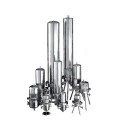
Hey there! As a supplier of refrigerated air dryers, I've seen firsthand how important these machines are in keeping industrial operations running smoothly. But like any piece of equipment, they need regular maintenance to stay in top shape. So, let's dive into what maintenance tasks are required for a refrigerated air dryer.
1. Regular Inspection of the Refrigeration System
The refrigeration system is the heart of a refrigerated air dryer. You need to check it regularly to make sure it's working as it should. First off, look at the refrigerant levels. Low refrigerant can lead to poor drying performance. If you notice the dryer isn't removing as much moisture as it used to, low refrigerant might be the culprit. You can usually tell if the refrigerant is low by looking at the pressure gauges on the refrigeration unit. If the pressures seem off, it's time to call in a pro to check and recharge the system if needed.
Another thing to inspect is the condenser coils. These coils can get dirty over time, especially in dusty or dirty environments. When the coils are dirty, the heat transfer efficiency drops, and the compressor has to work harder. This not only uses more energy but can also shorten the lifespan of the compressor. You can clean the condenser coils using a soft brush or compressed air. Just be careful not to damage the fins.
The evaporator coils also need attention. Similar to the condenser coils, they can accumulate dirt and debris. A dirty evaporator can reduce the cooling capacity of the dryer. Check for any signs of ice buildup on the evaporator as well. Ice on the evaporator can block the airflow and prevent proper moisture removal. If you see ice, there might be an issue with the temperature control or refrigerant flow.
2. Filter Maintenance
Filters play a crucial role in a refrigerated air dryer. They help remove contaminants from the compressed air before it enters the drying process. There are usually two main types of filters: pre - filters and after - filters.
The pre - filter is designed to catch larger particles like dust, dirt, and rust. Over time, this filter will get clogged with these contaminants. A clogged pre - filter restricts the airflow, which can put extra strain on the compressor and reduce the overall efficiency of the dryer. You should check the pre - filter regularly and replace it when it gets dirty. Most manufacturers recommend replacing the pre - filter every 3 to 6 months, depending on the operating conditions.
The after - filter is used to remove any remaining fine particles and oil aerosols from the dried air. It ensures that the air leaving the dryer is clean and suitable for use in your application. Just like the pre - filter, the after - filter can also get clogged. Check it periodically and replace it as needed. You can find high - quality filters for your refrigerated air dryer at Refrigerated Compressed Air Compressor Dryer.
3. Drain Maintenance
Proper drainage is essential for a refrigerated air dryer. As the compressed air cools in the dryer, moisture condenses out. This condensed water needs to be drained away to prevent it from re - entering the air stream and causing problems.
There are different types of drains used in refrigerated air dryers, such as automatic drains and manual drains. Automatic drains are more convenient as they open and close at set intervals to release the condensed water. However, they can malfunction over time. You should check the automatic drain regularly to make sure it's working properly. Look for any signs of blockages or leaks. If the drain isn't working, the condensed water can build up in the dryer, leading to corrosion and reduced performance.
Manual drains require you to open them periodically to drain the water. Make sure you follow the manufacturer's recommendations on how often to drain the dryer. If you forget to drain the manual drain, it can cause the same issues as a malfunctioning automatic drain.
4. Electrical System Check
The electrical system of a refrigerated air dryer powers all the components, including the compressor, fans, and controls. A problem with the electrical system can lead to the dryer not working at all or working inefficiently.
Check the electrical connections regularly to make sure they are tight and free of corrosion. Loose connections can cause electrical arcing, which can damage the components and pose a safety hazard. Corroded connections can increase the resistance in the circuit, leading to overheating and potential failure.
Inspect the wiring for any signs of damage, such as frayed wires or cracked insulation. Damaged wiring can cause short circuits and other electrical problems. If you notice any issues with the wiring, it's best to have it repaired by a qualified electrician.
Also, test the controls and sensors of the dryer. These components are responsible for regulating the temperature, pressure, and other operating parameters. A malfunctioning control or sensor can cause the dryer to operate outside of the normal range, affecting its performance and reliability.
5. Compressor Maintenance
The compressor is one of the most important and expensive components of a refrigerated air dryer. It compresses the refrigerant to create the cooling effect. To keep the compressor running smoothly, you need to perform regular maintenance.
Check the compressor oil level if it's an oil - lubricated compressor. Low oil can cause excessive wear and tear on the compressor components, leading to premature failure. If the oil level is low, add the recommended type of oil as specified in the manufacturer's manual.
Listen for any unusual noises coming from the compressor. Grinding, rattling, or knocking sounds can indicate a problem with the compressor. If you hear any strange noises, stop the dryer immediately and have it inspected by a professional.
The compressor's belts, if it has any, also need to be checked. Look for signs of wear, such as cracks or fraying. A worn - out belt can slip, reducing the efficiency of the compressor. Replace the belts if they show signs of excessive wear.
6. Fan Maintenance
The fans in a refrigerated air dryer are used to circulate air over the condenser and evaporator coils. They help with the heat transfer process.
Inspect the fan blades for any damage or debris. Bent or damaged fan blades can cause the fan to vibrate, which can lead to premature failure. Remove any debris that might be blocking the fan blades to ensure proper airflow.


Check the fan motor for proper operation. Listen for any unusual noises or check if the motor is overheating. A malfunctioning fan motor can reduce the cooling capacity of the dryer. If the fan motor isn't working, it should be replaced as soon as possible.
Why Maintenance Matters
Regular maintenance of your refrigerated air dryer has several benefits. Firstly, it ensures that the dryer operates at its maximum efficiency. A well - maintained dryer uses less energy, which can save you money on your utility bills. Secondly, it extends the lifespan of the dryer. By taking care of the components and addressing any issues early, you can avoid major breakdowns and costly repairs. Thirdly, it helps maintain the quality of the compressed air. Clean, dry air is essential for many industrial processes, and a properly maintained dryer can ensure that the air meets the required standards.
If you're in the market for a new refrigerated air dryer or need parts for your existing one, check out Air Dryer Compressor Air Dryer and Dr - 31 Air Dryer Refrigerated Air Dryer Parts. We offer a wide range of high - quality products to meet your needs.
If you have any questions about refrigerated air dryers or need help with maintenance, don't hesitate to reach out. We're here to assist you in getting the most out of your equipment. Whether you're a small business or a large industrial operation, proper maintenance of your refrigerated air dryer is crucial for your success. So, take the time to perform these maintenance tasks regularly, and your dryer will thank you with reliable performance for years to come.
References
- Compressed Air and Gas Institute (CAGI) standards on air dryer maintenance
- Manufacturer's manuals for refrigerated air dryers