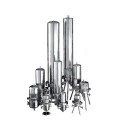
Self-cleaning filters are a remarkable innovation in the filtration industry, offering a range of benefits that have made them a popular choice across various sectors. As a leading supplier of self-cleaning filters, I often encounter the question: "Do self-cleaning filters require maintenance?" In this blog post, I'll delve into this topic, exploring the nature of self-cleaning filters, their maintenance needs, and how proper upkeep can ensure their optimal performance.
Understanding Self-Cleaning Filters
Self-cleaning filters are designed to automatically remove accumulated debris and contaminants from the filter media, reducing the need for frequent manual cleaning. They operate based on different principles, such as backwashing, mechanical scraping, or suction. This automation not only saves time and labor but also helps maintain a consistent level of filtration efficiency.

There are several types of self-cleaning filters available in the market, each suited to specific applications. For instance, the Self Cleaning Air Compressor Suction Filter is designed to protect air compressors from dust and other airborne particles. It uses a self-cleaning mechanism to ensure a continuous supply of clean air, which is essential for the efficient operation of the compressor.
On the other hand, the Industrial Self Cleaning Water Filter is used in industrial water treatment processes to remove suspended solids, sediment, and other impurities from water. These filters are crucial for maintaining the quality of water used in manufacturing processes, cooling systems, and other industrial applications.
The Automatic Self Cleaning Filter is a versatile option that can be used in a wide range of applications, including air, water, and oil filtration. It offers a high degree of automation, reducing the need for manual intervention and ensuring consistent filtration performance.
The Myth of "No Maintenance"
While self-cleaning filters are designed to reduce the frequency of maintenance, it's a common misconception that they require no maintenance at all. In reality, like any other equipment, self-cleaning filters need regular upkeep to ensure their long-term performance and reliability.
One of the primary reasons for maintenance is to prevent the buildup of stubborn contaminants that the self-cleaning mechanism may not be able to remove completely. Over time, these contaminants can accumulate on the filter media, reducing its porosity and efficiency. If left unchecked, this can lead to increased pressure drop, reduced flow rate, and ultimately, a decrease in the overall performance of the filter.
Another important aspect of maintenance is to inspect and replace worn-out components. The self-cleaning mechanism relies on various moving parts, such as motors, valves, and brushes, which can wear out over time. Regular inspection can help identify these issues early on, allowing for timely replacement and preventing costly breakdowns.
Maintenance Requirements for Self-Cleaning Filters
The maintenance requirements for self-cleaning filters can vary depending on several factors, such as the type of filter, the application, the quality of the incoming fluid, and the operating conditions. However, there are some general maintenance tasks that are applicable to most self-cleaning filters.
Regular Inspections
Regular inspections are essential for detecting any signs of wear, damage, or malfunction. This includes checking the filter media for tears or clogs, inspecting the self-cleaning mechanism for proper operation, and examining the housing and connections for leaks or corrosion. Inspections should be carried out at regular intervals, as recommended by the manufacturer.
Cleaning and Flushing
In addition to the self-cleaning function, periodic manual cleaning and flushing may be required to remove any stubborn contaminants. This can be done using a suitable cleaning solution or by backwashing the filter with clean water. The frequency of manual cleaning depends on the level of contamination and the type of filter.
Component Replacement
As mentioned earlier, the moving parts of the self-cleaning mechanism can wear out over time and need to be replaced. This includes motors, valves, brushes, and seals. It's important to use genuine replacement parts to ensure compatibility and optimal performance.
Monitoring and Calibration
Monitoring the performance of the self-cleaning filter is crucial for detecting any changes in its operation. This can be done by measuring parameters such as pressure drop, flow rate, and differential pressure. Regular calibration of the monitoring equipment is also necessary to ensure accurate readings.
Benefits of Regular Maintenance
Investing in regular maintenance for self-cleaning filters offers several benefits, both in the short and long term.
Extended Lifespan
Proper maintenance helps prevent premature wear and damage to the filter components, extending its lifespan. This reduces the need for frequent replacements, saving you money in the long run.
Improved Performance
Regular maintenance ensures that the self-cleaning filter operates at its optimal efficiency, providing consistent filtration performance. This helps maintain the quality of the filtered fluid, which is essential for the smooth operation of your equipment.
Reduced Downtime
By detecting and addressing potential issues early on, regular maintenance helps prevent unexpected breakdowns and reduces downtime. This minimizes disruptions to your operations and ensures continuous productivity.

Compliance with Standards
In some industries, compliance with certain standards and regulations is mandatory. Regular maintenance helps ensure that your self-cleaning filter meets these requirements, avoiding potential fines and penalties.
How Our Company Can Help
As a leading supplier of self-cleaning filters, we understand the importance of maintenance and offer a range of services to help you keep your filters in top condition. Our team of experienced technicians can provide on-site inspections, maintenance, and repair services, ensuring that your filters operate at their best.

We also offer a comprehensive range of genuine replacement parts for our self-cleaning filters, ensuring compatibility and optimal performance. Our parts are sourced from trusted manufacturers and undergo strict quality control measures to ensure their reliability.
In addition, we provide training and support to our customers, helping them understand the proper operation and maintenance of their self-cleaning filters. Our goal is to empower our customers to take control of their filtration systems and ensure their long-term success.
Conclusion
In conclusion, while self-cleaning filters offer a high degree of automation and reduce the need for frequent manual cleaning, they still require regular maintenance to ensure their optimal performance and reliability. By investing in regular inspections, cleaning, component replacement, and monitoring, you can extend the lifespan of your self-cleaning filter, improve its performance, and reduce downtime.
If you're interested in learning more about our self-cleaning filters or our maintenance services, please don't hesitate to contact us. We'd be happy to discuss your specific needs and provide you with a customized solution. Let's work together to ensure the efficient operation of your filtration systems.
References
- Filter Manufacturers Council. (2023). Best Practices for Filter Maintenance.
- American Society of Mechanical Engineers. (2022). Standards for Filtration Equipment.
- Water Quality Association. (2021). Guidelines for Water Filtration Systems.