In the realm of industrial and commercial cooling systems, multi - stage cooling has emerged as a highly effective approach to achieve optimal temperature control and energy efficiency. At the heart of many such multi - stage systems lies the air pre - cooler, a crucial component that plays a significant role in enhancing the overall performance of the cooling setup. As a leading air pre - cooler supplier, I am excited to delve into the workings of an air pre - cooler in a multi - stage cooling system.
Understanding Multi - Stage Cooling Systems
Before we explore the role of the air pre - cooler, it's essential to understand the concept of multi - stage cooling. A multi - stage cooling system is designed to cool a fluid or gas in multiple steps, rather than attempting to achieve the desired temperature in a single pass. This step - by - step approach allows for more precise temperature control and can significantly improve energy efficiency.
In a typical multi - stage cooling system, the process begins with the intake of hot air or gas. This initial stage often involves removing a large portion of the heat in a relatively quick and cost - effective manner. As the fluid progresses through the system, subsequent stages fine - tune the temperature, bringing it down to the exact level required for the specific application.
The Function of an Air Pre - Cooler
An air pre - cooler is the first line of defense in a multi - stage cooling system. Its primary function is to reduce the temperature of the incoming air or gas before it enters the main cooling stages. By doing so, it alleviates the burden on the subsequent cooling components, such as condensers and compressors, and improves the overall efficiency of the system.
When hot air enters the air pre - cooler, it comes into contact with a cooling medium. This cooling medium can be water, refrigerant, or even ambient air, depending on the design of the pre - cooler. As the hot air passes over or through the cooling medium, heat is transferred from the air to the medium. This heat transfer process lowers the temperature of the air, making it easier and more energy - efficient for the remaining stages of the cooling system to further reduce the temperature to the desired level.
Types of Air Pre - Coolers and Their Working Principles
There are several types of air pre - coolers, each with its own unique working principle and application.

1. Water - Cooled Air Pre - Coolers
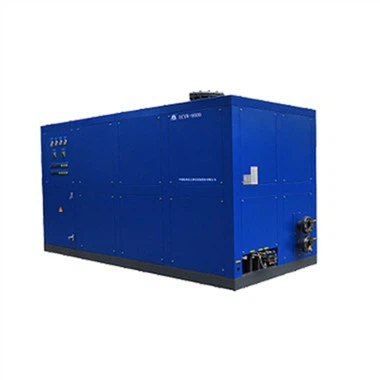
Water - cooled air pre - coolers use water as the cooling medium. The hot air flows through a series of tubes or channels, while water circulates around these tubes. Heat is transferred from the air inside the tubes to the water outside, cooling the air in the process. The heated water is then typically sent to a cooling tower or a heat exchanger to dissipate the heat and be recirculated. These pre - coolers are highly efficient and are commonly used in industrial applications where large volumes of air need to be cooled. You can learn more about condenser pre - coolers, a type of water - cooled pre - cooler, by visiting Condenser Pre Cooler.
2. Air - Cooled Air Pre - Coolers
Air - cooled air pre - coolers, as the name suggests, use ambient air to cool the incoming hot air. They consist of a series of fins or heat exchangers that increase the surface area for heat transfer. A fan blows ambient air over these fins, and as the hot air passes through the pre - cooler, heat is transferred from the hot air to the ambient air. These pre - coolers are relatively simple in design and are often used in smaller applications or in areas where water availability is limited. For more information on pre - coolers for compressed air, which often use air - cooled designs, check out Pre - cooler for Compressed Air.
3. Evaporative Air Pre - Coolers
Evaporative air pre - coolers, also known as swamp coolers, work on the principle of evaporation. When water evaporates, it absorbs heat from the surrounding air, cooling it in the process. In an evaporative air pre - cooler, water is sprayed onto a pad or media, and hot air is forced through this wet media. As the water evaporates, the air is cooled. These pre - coolers are energy - efficient and are commonly used in dry climates. To explore swamp cooler precoolers further, visit Swamp Cooler Precooler.
Benefits of Using an Air Pre - Cooler in a Multi - Stage Cooling System
The inclusion of an air pre - cooler in a multi - stage cooling system offers several benefits.
1. Energy Savings
By reducing the temperature of the incoming air before it reaches the main cooling components, the air pre - cooler reduces the workload on these components. This means that they can operate more efficiently, consuming less energy. Over time, these energy savings can result in significant cost reductions for the end - user.
2. Extended Equipment Lifespan
Since the air pre - cooler takes on a significant portion of the heat removal task, the subsequent cooling components are subjected to less stress. This reduced stress translates into less wear and tear on the equipment, extending its lifespan and reducing the frequency of maintenance and replacement.
3. Improved Cooling Performance
The air pre - cooler ensures that the air entering the main cooling stages is at a lower temperature. This allows the remaining stages to focus on fine - tuning the temperature, resulting in more precise and consistent cooling performance. This is particularly important in applications where exact temperature control is critical, such as in data centers and pharmaceutical manufacturing.
Considerations When Selecting an Air Pre - Cooler
When choosing an air pre - cooler for a multi - stage cooling system, several factors need to be considered.
1. Cooling Capacity
The cooling capacity of the pre - cooler should be sufficient to handle the volume and temperature of the incoming air. It's important to accurately calculate the heat load of the system to ensure that the pre - cooler can effectively reduce the temperature of the air to the desired level.
2. Efficiency
The efficiency of the pre - cooler is a crucial factor. Higher - efficiency pre - coolers will consume less energy and provide better cooling performance. Look for pre - coolers with high heat transfer coefficients and low pressure drops.
3. Maintenance Requirements
Different types of air pre - coolers have different maintenance requirements. For example, water - cooled pre - coolers may require regular water treatment to prevent scaling and corrosion, while air - cooled pre - coolers may need periodic cleaning of the fins to maintain optimal performance. Consider the ease of maintenance and the associated costs when selecting a pre - cooler.
Conclusion
In conclusion, an air pre - cooler is an indispensable component in a multi - stage cooling system. Its ability to reduce the temperature of the incoming air before it enters the main cooling stages offers numerous benefits, including energy savings, extended equipment lifespan, and improved cooling performance. As a leading air pre - cooler supplier, we offer a wide range of high - quality pre - coolers to meet the diverse needs of our customers.
If you are in the market for an air pre - cooler for your multi - stage cooling system, we invite you to contact us. Our team of experts can help you select the right pre - cooler for your specific application and provide you with detailed information on installation, maintenance, and operation. Start a conversation with us today to explore how our air pre - coolers can enhance the efficiency and performance of your cooling system.
References
- Incropera, F. P., & DeWitt, D. P. (2002). Fundamentals of Heat and Mass Transfer. John Wiley & Sons.
- ASHRAE Handbook - HVAC Systems and Equipment (2015). American Society of Heating, Refrigerating and Air - Conditioning Engineers.