As a long - time supplier of water chiller units, I often receive inquiries from customers about the possibility of moving a water chiller unit after it has been installed. This is a valid concern, as various factors such as business expansion, facility renovation, or equipment re - allocation may prompt the need to relocate a water chiller. In this blog, I will explore the technical, practical, and economic aspects related to moving a water chiller unit post - installation.
Technical Feasibility
Compressor and Refrigerant System
The compressor is the heart of a water chiller unit. Moving a chiller can potentially damage the compressor if not handled properly. During transportation, vibrations and sudden movements can cause the compressor's internal components to shift or become misaligned. Moreover, the refrigerant system is a closed - loop that requires a specific pressure and charge. Any movement that leads to a refrigerant leak can severely affect the chiller's performance.
For example, in a Thermoelectric Water Chiller, the thermoelectric modules are delicate and can be easily damaged by improper handling during movement. These modules rely on a precise electrical connection and thermal transfer, and any disruption can lead to reduced cooling efficiency or complete failure.
Piping and Connections
Water chiller units are connected to a network of pipes for water circulation and refrigerant flow. Moving the unit can stress these pipes and connections, leading to leaks. The pipes are often custom - fitted to the installation site, and any bending or stretching during movement can cause cracks or loosening of joints.
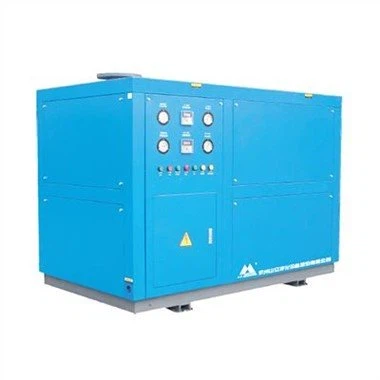
In a Water Cooled Water Chiller, the water - side piping is crucial for heat exchange. If the pipes are damaged during movement, it can disrupt the water flow and reduce the chiller's ability to dissipate heat effectively.
Electrical Components
Electrical connections in a water chiller unit are designed to be stable and secure. Moving the unit can cause wires to come loose, connectors to disconnect, or electrical insulation to be damaged. This not only poses a safety hazard but also can lead to malfunctions in the chiller's control system.
Practical Considerations
Installation Conditions
The original installation of a water chiller unit is often tailored to a specific location. Factors such as floor strength, ventilation, and access to utilities are carefully considered. When moving the unit, the new location must also meet these requirements.
For instance, a Chilled Water Cooling System requires a certain amount of space for proper air circulation. If the new location is too cramped, the system may overheat, reducing its efficiency and lifespan.
Disassembly and Re - assembly
Moving a water chiller unit usually involves disassembling it into smaller components for easier transportation. This process requires specialized knowledge and tools. Re - assembling the unit at the new location must be done precisely to ensure that all components are functioning correctly.
Permits and Regulations
In some cases, moving a water chiller unit may require permits from local authorities. This is especially true if the chiller uses refrigerants that are regulated due to their environmental impact. Failure to obtain the necessary permits can result in fines and legal issues.
Economic Factors
Cost of Moving
The cost of moving a water chiller unit can be significant. It includes the cost of labor for disassembly, transportation, and re - assembly, as well as the cost of any necessary repairs or adjustments. In some cases, the cost of moving may be comparable to the cost of purchasing a new unit.
Downtime
Moving a water chiller unit will result in downtime for the cooling system. This can be a major issue for businesses that rely on continuous cooling, such as data centers or manufacturing plants. The loss of production during the downtime can be substantial, and it must be factored into the decision - making process.
Steps to Ensure a Successful Move
Pre - move Inspection
Before moving the water chiller unit, a thorough inspection should be conducted. This includes checking the refrigerant levels, the integrity of the piping and electrical connections, and the overall condition of the unit. Any issues should be addressed before the move.
Professional Handling
It is highly recommended to hire a professional moving company with experience in handling water chiller units. These professionals have the necessary equipment and expertise to ensure that the unit is moved safely and without damage.
Re - commissioning
After the unit has been moved and re - assembled at the new location, it must be re - commissioned. This involves checking all the systems, calibrating the controls, and ensuring that the unit is operating at its optimal performance.
Conclusion
In conclusion, while it is possible to move a water chiller unit after installation, it is a complex process that requires careful consideration of technical, practical, and economic factors. As a water chiller unit supplier, I understand the importance of providing accurate information to our customers. If you are considering moving your water chiller unit, I recommend consulting with our experts. We can assess the feasibility of the move, provide you with a detailed cost estimate, and guide you through the entire process.
If you are interested in purchasing a new water chiller unit or have any questions about moving your existing one, please feel free to contact us for a consultation. We are committed to providing high - quality products and services to meet your cooling needs.
References
- ASHRAE Handbook - Refrigeration. American Society of Heating, Refrigerating and Air - Conditioning Engineers.
- Manufacturer's manuals for water chiller units.