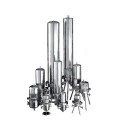
Hey there! As a supplier of Sterilization Grade Filters, I've been thinking a lot about how we can all do our part to reduce the environmental impact of these filters. In this blog post, I'm gonna share some practical tips and ideas that can help us make a difference.
Understanding the Environmental Impact
First off, let's talk about why it's important to reduce the environmental impact of Sterilization Grade Filters. These filters play a crucial role in various industries, like pharmaceuticals, food and beverage, and biotechnology. They help ensure that products are free from harmful microorganisms and meet strict quality standards. But the production, use, and disposal of these filters can have a significant environmental footprint.
The manufacturing process often involves the use of energy - intensive machinery and chemicals. Plus, once the filters reach the end of their lifespan, they usually end up in landfills. And some of the materials used in these filters can take a long time to break down, contributing to long - term environmental problems.
Tips to Reduce Environmental Impact
1. Optimize Filter Selection
One of the first steps is to choose the right filter for the job. Using a filter that's too large or too small for your application can lead to inefficiencies. For example, an oversized filter might use more resources during production and operation than necessary, while an undersized filter may need to be replaced more frequently, increasing waste.
When selecting a filter, consider factors like the flow rate, particle size, and the type of contaminants you need to remove. You can also look into filters that are designed for specific applications, such as the Aseptic Filter. These filters are engineered to provide high - performance sterilization in aseptic environments, which can reduce the need for over - filtering and thus save resources.
2. Extend Filter Lifespan
Another great way to reduce the environmental impact is to make your filters last longer. This can be achieved through proper maintenance and monitoring. Regularly check the filters for signs of clogging or damage. If you notice any issues early on, you can take steps to clean or repair the filter instead of replacing it immediately.
For instance, some filters can be backwashed to remove accumulated particles. This simple process can restore the filter's performance and extend its lifespan. Additionally, using pre - filters can help protect the main sterilization grade filter from large particles, reducing the load on the main filter and increasing its longevity.
3. Recycling and Reuse
Recycling and reusing filters is a fantastic way to minimize waste. Some filter materials can be recycled, such as certain types of plastics and metals. Look for recycling programs in your area that accept filter components.


In some cases, filters can even be reused after proper reconditioning. For example, Sterilization Container Filters might be able to be cleaned, sterilized, and reused in less critical applications. This not only reduces waste but also saves on the resources needed to produce new filters.
4. Energy - Efficient Operation
The operation of sterilization grade filters can consume a significant amount of energy. To reduce this energy consumption, consider using energy - efficient filter systems. For example, some filters are designed with low - pressure drop, which means they require less energy to push the fluid or air through them.
You can also optimize the operation of your filter system. For instance, adjust the flow rate and pressure according to the actual needs of your process. Running the system at a lower flow rate when possible can save energy without sacrificing the filter's performance. And don't forget about the Filter Air Dryer Air Dyer Filter Air Compressor Dryer. Using an energy - efficient dryer can reduce the overall energy consumption of the filtration process.
5. Supplier Collaboration
As a supplier, I'm committed to working with my customers to reduce the environmental impact of our filters. We can collaborate on research and development to come up with more sustainable filter designs. For example, we can explore the use of more environmentally friendly materials, such as biodegradable polymers.
We can also provide training and support to help our customers optimize the use of our filters. By sharing best practices and technical knowledge, we can ensure that our filters are used in the most efficient and sustainable way possible.
Conclusion
Reducing the environmental impact of Sterilization Grade Filters is a collective effort. By following these tips, we can all play a part in making the filtration process more sustainable. Whether you're a small business or a large corporation, every little bit helps.
If you're interested in learning more about our sustainable filter solutions or have any questions about reducing the environmental impact of your filtration process, I'd love to hear from you. Let's start a conversation and work together to create a greener future. Feel free to reach out to us to discuss your specific needs and explore how we can help you achieve your sustainability goals.
References
- [Insert relevant industry reports here]
- [Include any academic papers or studies related to filter sustainability]
- [List any other sources of information used in the blog post]