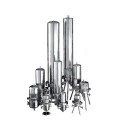
Hey there! As a supplier of Refrigeration Air Dryers, I've seen firsthand the importance of high moisture removal efficiency. It's not just about keeping the air dry; it's about ensuring the smooth operation of various industrial processes. In this blog, I'm gonna share some tips on how to improve the moisture removal efficiency of a refrigeration air dryer.
Understanding the Basics of Refrigeration Air Dryers
Before we dive into the improvement strategies, let's quickly go over how refrigeration air dryers work. These dryers use a refrigeration cycle to cool the compressed air. When the air is cooled, the moisture in it condenses into liquid water, which can then be separated and drained out. The dry air is then reheated to near its original temperature before being sent to the system.
Proper Sizing of the Air Dryer
One of the most crucial factors in achieving high moisture removal efficiency is proper sizing of the air dryer. If the dryer is too small for the air flow rate, it won't be able to cool the air enough to condense all the moisture. On the other hand, an oversized dryer can be wasteful in terms of energy consumption.
To determine the right size, you need to consider the air flow rate, inlet air temperature, and desired pressure dew point. You can use the manufacturer's sizing charts or consult with an expert. For example, if you have a high - volume air compressor running at a high temperature, you'll need a larger capacity air dryer. Check out our Industral Refrigerated Compressed Air Dryer for industrial - scale applications.
Maintaining the Refrigeration System
The refrigeration system is the heart of a refrigeration air dryer. Keeping it in good condition is essential for efficient moisture removal.
- Refrigerant Level: Make sure the refrigerant level is correct. Low refrigerant levels can reduce the cooling capacity of the dryer, leading to less moisture condensation. You can have a professional technician check and refill the refrigerant if needed.
- Compressor Maintenance: The compressor is a key component of the refrigeration system. Regularly check for any signs of wear and tear, such as unusual noises or vibrations. Keep the compressor clean and lubricated as per the manufacturer's recommendations.
- Condenser and Evaporator Cleaning: The condenser and evaporator coils can get dirty over time, which reduces their heat transfer efficiency. Clean these coils regularly to ensure proper cooling and heating of the air.
Optimizing the Air Flow
Proper air flow is also important for efficient moisture removal.


- Inlet and Outlet Design: Ensure that the inlet and outlet of the air dryer are properly designed. The inlet should be free from any obstructions to allow smooth entry of the compressed air. The outlet should be sized correctly to prevent back - pressure, which can affect the performance of the dryer.
- Air Distribution: Inside the dryer, proper air distribution is necessary. Some dryers come with baffles or other devices to ensure that the air is evenly distributed across the cooling and heating components. Make sure these are in good working condition.
Pre - Treatment of the Compressed Air
Pre - treating the compressed air can significantly improve the moisture removal efficiency of the air dryer.
- Filters: Install high - quality filters before the air dryer. These filters can remove large particles, oil, and some of the moisture from the compressed air. This reduces the load on the air dryer and allows it to focus on removing the remaining moisture more effectively.
- Cooling: If possible, pre - cool the compressed air before it enters the air dryer. This can be done using a heat exchanger or other cooling devices. Pre - cooling the air reduces the amount of heat that the air dryer needs to remove, making it more efficient.
Monitoring and Control
Regular monitoring and control of the air dryer are essential for maintaining high moisture removal efficiency.
- Pressure Dew Point Monitoring: Continuously monitor the pressure dew point of the dried air. This will give you an indication of how well the dryer is removing moisture. If the dew point is higher than desired, it may be a sign that the dryer is not working efficiently.
- Automated Controls: Many modern air dryers come with automated controls that can adjust the operation of the dryer based on the air flow rate, temperature, and other parameters. Use these controls to optimize the performance of the dryer.
Using Adsorption Dryers in Combination
In some cases, using an adsorption dryer in combination with a refrigeration air dryer can further improve the moisture removal efficiency. Adsorption dryers can achieve very low pressure dew points, which is useful for applications that require extremely dry air. Check out our Creative Adsorption Dryer Reasonable Price Molecular Sieve Air Dryer Refrigeration Air Dryers for a cost - effective solution.
Conclusion
Improving the moisture removal efficiency of a refrigeration air dryer involves a combination of proper sizing, maintenance, air flow optimization, pre - treatment, monitoring, and sometimes, using additional equipment. By following these tips, you can ensure that your air dryer operates at its best, providing dry and clean air for your industrial processes.
If you're interested in purchasing a high - efficiency refrigeration air dryer or need more advice on improving the performance of your existing dryer, feel free to reach out for a procurement discussion. We're here to help you find the best solution for your needs. Check out our Compressed Air Cooled Refrigerated Air Dryer for more options.
References
- Compressed Air and Gas Handbook, 4th Edition
- ASHRAE Handbook of Refrigeration
- Manufacturer's manuals for refrigeration air dryers