Hey there! As an air pre - cooler supplier, I often get asked if an air pre - cooler can be used in a pharmaceutical factory. Well, let's dig into this topic and find out.
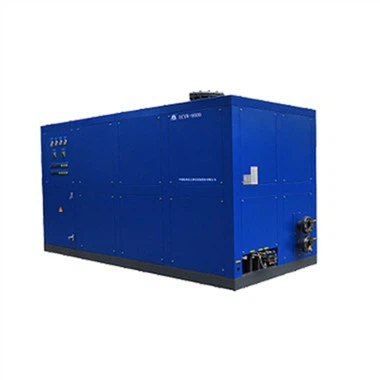
First off, let's understand what an air pre - cooler is. It's a device that cools the incoming air before it enters a main cooling or processing system. There are different types of air pre - coolers, like the Swamp Cooler Precooler, Pre - cooler for Compressed Air, and Condenser Pre Cooler. Each type has its own unique features and applications.

Now, let's talk about the needs of a pharmaceutical factory. In a pharmaceutical factory, maintaining a controlled environment is super important. The production of drugs and other pharmaceutical products requires specific temperature, humidity, and air quality conditions. Any deviation from these conditions can affect the quality, safety, and efficacy of the products.
One of the main reasons an air pre - cooler can be beneficial in a pharmaceutical factory is temperature control. Most pharmaceutical manufacturing processes need to be carried out at relatively low temperatures. For example, the storage of some vaccines and biologics requires strict temperature regulation. An air pre - cooler can help bring down the temperature of the incoming air, reducing the load on the main air - conditioning system. This not only helps in maintaining the desired temperature but also saves energy. When the pre - cooler takes on some of the cooling work, the main air - conditioning system doesn't have to work as hard, which means lower energy consumption and cost savings in the long run.
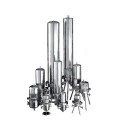
Another aspect is air quality. Pharmaceutical factories need to keep the air clean and free from contaminants. An air pre - cooler can play a role in this as well. Some pre - coolers can be equipped with filters that can trap dust, pollen, and other particles in the incoming air. This helps in improving the overall air quality in the factory, which is crucial for preventing product contamination. For instance, in a cleanroom environment where drugs are formulated and packaged, even the smallest particle can cause problems. By using an air pre - cooler with proper filtration, we can reduce the risk of such contamination.
Humidity control is also a key factor. In a pharmaceutical factory, excessive humidity can lead to issues like mold growth, which can be a major problem for product quality. An air pre - cooler can assist in dehumidifying the air. As the air is cooled, the moisture in it condenses, and the pre - cooler can remove this excess moisture. This helps in maintaining the right humidity level in the factory, ensuring that the pharmaceutical products are not affected by moisture - related issues.
However, there are also some challenges when it comes to using an air pre - cooler in a pharmaceutical factory. One of the main concerns is the potential for microbial growth. Since the pre - cooler deals with moisture, if not properly maintained, it can become a breeding ground for bacteria, fungi, and other microorganisms. This can be a serious threat to the air quality in the factory. To address this, regular cleaning and maintenance of the pre - cooler are essential. The pre - cooler should be inspected, cleaned, and disinfected on a regular basis to prevent microbial growth.
Another challenge is the initial cost. Buying and installing an air pre - cooler can be a significant investment. There are the costs of the equipment itself, as well as the installation and setup costs. But when you consider the long - term benefits in terms of energy savings, improved product quality, and reduced maintenance of the main air - conditioning system, the investment can be well worth it.
Let's take a look at some real - world examples. There are many pharmaceutical factories around the world that have successfully implemented air pre - coolers. For example, a medium - sized pharmaceutical company in Europe installed a Pre - cooler for Compressed Air in their production facility. They noticed a significant reduction in their energy bills within the first few months. The pre - cooler was able to bring down the temperature of the incoming air, and the main air - conditioning system didn't have to run as frequently. Also, the air quality improved, and they had fewer issues with product contamination.
In Asia, a large pharmaceutical factory installed a Condenser Pre Cooler. The pre - cooler helped in dehumidifying the air and maintaining a stable temperature in their cleanrooms. This led to better product quality and fewer production delays due to environmental issues.
So, can an air pre - cooler be used in a pharmaceutical factory? The answer is a definite yes. It offers many benefits in terms of temperature control, air quality improvement, and humidity regulation. However, it's important to choose the right type of pre - cooler based on the specific needs of the factory and to ensure proper maintenance.
If you're running a pharmaceutical factory and are interested in learning more about how an air pre - cooler can benefit your operations, don't hesitate to reach out. We're here to help you find the best solution for your factory. Whether you need a Swamp Cooler Precooler, Pre - cooler for Compressed Air, or Condenser Pre Cooler, we have a wide range of products to meet your requirements. Let's have a chat and see how we can make your pharmaceutical manufacturing process more efficient and cost - effective.
References:
- Pharmaceutical Manufacturing Handbook: Production and Processes.
- Journal of Pharmaceutical Sciences on environmental control in pharmaceutical factories.
- Energy Efficiency in Industrial Air - Conditioning Systems research papers.