Hey there! As a supplier of water chillers, I've gotten a ton of questions about the different components in these systems. One part that often doesn't get enough attention but is super important is the filter drier. So, let's dig into what the role of the filter drier in a water chiller is.
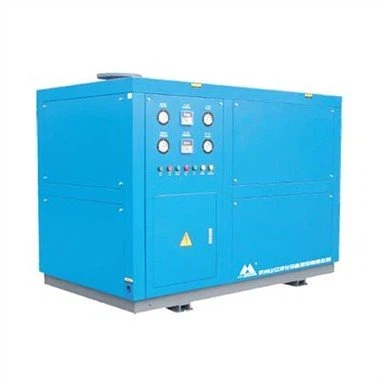
First off, what's a water chiller? Well, it's a machine that removes heat from a liquid via a vapor - compression or absorption refrigeration cycle. There are different types, like the Thermoelectric Water Chiller, Water Cooled Chiller System, and Water Chiller Unit. Each type has its own unique features and uses, but they all have some common components, and the filter drier is one of them.
What is a Filter Drier?
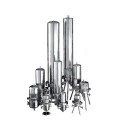
A filter drier is exactly what it sounds like. It's a device that combines the functions of a filter and a drier. It's usually a small, cylindrical canister that's installed in the refrigerant line of the water chiller.
Filter Function
Let's start with the filtering part. In a water chiller system, there are all sorts of contaminants that can find their way into the refrigerant. During the manufacturing process, there might be metal shavings from machining parts. Over time, wear and tear on components like the compressor can generate small particles. Also, if there's any leakage and the system is opened for repairs, dust and dirt can get in.
These contaminants are bad news. They can cause a whole bunch of problems. For example, they can clog up small passages in the expansion valve, which is a crucial part of the refrigeration cycle. If the expansion valve gets clogged, the flow of refrigerant is restricted. This means the chiller won't be able to cool the water as effectively, and it can even lead to higher energy consumption.
The filter in the filter drier catches these particles. It has a fine mesh or a special filtering material that traps the contaminants, preventing them from circulating through the system. This helps keep all the components in the water chiller running smoothly and reduces the risk of breakdowns.
Drier Function
Now, let's talk about the drying function. Water is the enemy of a refrigerant system. Even a small amount of moisture in the refrigerant can cause big issues. When water mixes with the refrigerant, it can react with the lubricating oil in the compressor. This reaction can form acids, which are extremely corrosive. These acids can eat away at the metal components in the compressor, like the bearings and the pistons.
Moreover, water can freeze in the expansion valve or other narrow passages in the system. When water freezes, it expands, and this can cause blockages. A blocked expansion valve means the refrigerant can't flow properly, and the chiller's performance will take a nosedive.
The drier part of the filter drier contains a desiccant, which is a material that absorbs moisture. The desiccant is usually something like activated alumina or molecular sieves. As the refrigerant passes through the filter drier, the desiccant grabs onto the water molecules, removing them from the refrigerant. This keeps the refrigerant dry and prevents all those moisture - related problems.
Location in the System
The filter drier is typically installed in the liquid line of the refrigerant system, usually between the condenser and the expansion valve. This location is ideal because the refrigerant is in a liquid state at this point, and it's easier for the filter drier to do its job. The contaminants are more likely to settle in the liquid refrigerant, and the desiccant can more effectively absorb the moisture.

Impact on System Efficiency
The filter drier has a huge impact on the efficiency of the water chiller. By keeping the system clean and dry, it ensures that the refrigerant can flow freely through all the components. This means the compressor doesn't have to work as hard. When the compressor runs more efficiently, it uses less energy, which translates to lower electricity bills for the end - user.
Also, a clean and dry system is less likely to experience breakdowns. This reduces the need for costly repairs and maintenance. In the long run, having a properly functioning filter drier can save a lot of money for the owner of the water chiller.
Maintenance of the Filter Drier
Like any other component in the water chiller, the filter drier needs to be maintained. Over time, the filter will get clogged with contaminants, and the desiccant will become saturated with moisture. When this happens, the filter drier won't be able to do its job effectively.
Most manufacturers recommend replacing the filter drier at regular intervals. The exact interval depends on factors like the operating conditions of the water chiller, the quality of the refrigerant, and the environment in which the chiller is installed. In general, it's a good idea to check the filter drier during routine maintenance and replace it if it shows signs of excessive clogging or moisture saturation.
Importance for Different Types of Water Chillers
Whether it's a Thermoelectric Water Chiller, a Water Cooled Chiller System, or a Water Chiller Unit, the filter drier is equally important. Each type of chiller relies on a clean and dry refrigerant to operate efficiently.
In a thermoelectric water chiller, which uses the Peltier effect to cool water, the refrigerant still needs to be free of contaminants and moisture. Any blockages or corrosion in the system can disrupt the heat transfer process and reduce the chiller's cooling capacity.
For a water - cooled chiller system, which uses water to remove heat from the refrigerant, the filter drier helps protect the heat exchangers. If contaminants or moisture damage the heat exchangers, the efficiency of the heat transfer will be reduced, and the chiller won't be able to cool the water as well.
In a water chiller unit, the filter drier plays a key role in maintaining the overall performance of the system. It ensures that all the components work together smoothly, providing reliable and efficient cooling.
Conclusion
So, as you can see, the filter drier is a small but mighty component in a water chiller. It's the unsung hero that keeps the system clean, dry, and running efficiently. Whether you're using a water chiller for industrial processes, commercial buildings, or any other application, a properly functioning filter drier is essential.
If you're in the market for a water chiller or need to replace the filter drier in your existing system, we're here to help. We're a leading supplier of high - quality water chillers, and we can provide you with the right products and advice. Contact us to start a discussion about your specific needs and let's work together to get you the best water chiller solution.
References
- ASHRAE Handbook of Refrigeration
- Manufacturer's manuals for water chillers
- Technical papers on refrigeration system components