Hey there! As a water chiller supplier, I often get asked about the best way to store water chillers during the off - season. It's a crucial topic because proper storage can significantly extend the lifespan of these machines and save you a ton of money in the long run.
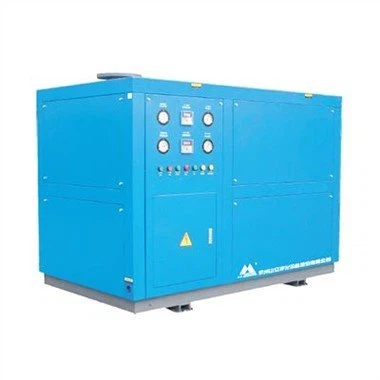
First things first, let's talk about why storing your water chiller correctly matters. Water chillers, whether they're Recirculating Water Chiller, Water Cooled Water Chiller, or Evaporative Pre Cooler, are complex pieces of equipment. They have various components like compressors, condensers, and pumps that can be damaged by improper storage. For instance, if water is left inside the chiller during cold months, it can freeze and cause pipes to burst. And rust can form on metal parts if the chiller is exposed to moisture for too long.
Step 1: Clean the Water Chiller
The first step in storing your water chiller is a thorough cleaning. Start by turning off the power supply to the chiller. This is a no - brainer, but you'd be surprised how many people forget this simple step. Once the power is off, drain all the water from the chiller. You don't want any standing water inside as it can lead to corrosion and the growth of bacteria.
Next, clean the exterior of the chiller. Use a mild detergent and a soft cloth to wipe down the surfaces. Pay special attention to the condenser coils. These coils can get clogged with dust, dirt, and debris over time, which can affect the chiller's performance. You can use a coil cleaner to remove any stubborn dirt. Just follow the instructions on the cleaner carefully.
Step 2: Protect the Components
After cleaning, it's time to protect the sensitive components of the water chiller. The compressor is the heart of the chiller, so it needs extra care. You can cover it with a compressor blanket to protect it from dust and physical damage.
The condenser and evaporator coils also need protection. You can use coil covers to prevent dust and debris from accumulating on them. These covers are relatively inexpensive and can make a big difference in the long - term health of your chiller.
Step 3: Check and Lubricate Moving Parts
Before storing the chiller, check all the moving parts like fans, pumps, and belts. Look for any signs of wear and tear, such as frayed belts or loose fan blades. If you notice any issues, it's best to replace the parts before storage.
Lubricate the moving parts according to the manufacturer's recommendations. This will help prevent rust and ensure that the parts move smoothly when you start the chiller up again. Just use the right type of lubricant for each part.
Step 4: Seal the Chiller
Once you've cleaned and protected the components, it's time to seal the chiller. You can use a plastic cover to enclose the entire chiller. Make sure the cover is waterproof and fits snugly. This will protect the chiller from dust, dirt, and moisture during the off - season.
If you're storing the chiller outdoors, consider using a heavy - duty cover that can withstand harsh weather conditions. You may also want to elevate the chiller off the ground to prevent water from pooling around it.
Step 5: Store in a Suitable Location
The location where you store your water chiller is just as important as the steps you take to prepare it for storage. Ideally, you should store the chiller in a dry, clean, and well - ventilated area. Avoid storing it in areas prone to flooding or extreme temperature changes.
If you're storing the chiller indoors, a garage or a storage shed can be a good option. Make sure the area is free from any chemicals or fumes that could damage the chiller.
Step 6: Keep an Eye on It
Even after you've stored the chiller, it's a good idea to check on it periodically. At least once a month, take a quick look at the chiller to make sure there are no signs of damage or moisture. If you notice any issues, address them immediately.

Final Thoughts and a Call to Action
Storing your water chiller properly during the off - season is not only about protecting your investment but also about ensuring that the chiller performs at its best when you need it again. By following these steps, you can extend the lifespan of your water chiller and avoid costly repairs.
If you're in the market for a new water chiller or need more advice on chiller maintenance and storage, I'd love to hear from you. As a water chiller supplier, I have a wide range of high - quality Recirculating Water Chiller, Water Cooled Water Chiller, and Evaporative Pre Cooler options to meet your needs. Reach out to us, and let's start a conversation about how we can help you with your cooling requirements.
References
- "Water Chiller Maintenance Guide" - Industry - standard handbook on water chiller care.
- Manufacturer's manuals for various water chiller models.