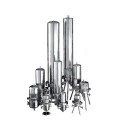
In the realm of industrial batch processes, the use of sterilization filters has become a critical consideration for ensuring product quality, safety, and compliance with regulatory standards. As a leading supplier of sterilization filters, I've witnessed firsthand the transformative impact these filters can have on various batch operations. In this blog post, I'll delve into the advantages and disadvantages of using a sterilization filter in a batch process, providing insights that can help you make an informed decision for your specific application.
Advantages of Using a Sterilization Filter in a Batch Process
1. Microbial Control
One of the primary advantages of using a sterilization filter in a batch process is its ability to effectively remove microorganisms from the process stream. Sterilization filters are designed to capture and retain bacteria, fungi, and other microorganisms, preventing them from contaminating the final product. This is particularly crucial in industries such as pharmaceuticals, biotechnology, and food and beverage, where microbial contamination can have serious consequences for product quality and consumer safety.
For example, in the pharmaceutical industry, sterilization filters are used to ensure the sterility of injectable drugs, vaccines, and other parenteral products. By removing all viable microorganisms from the product, these filters help to prevent infections and other adverse reactions in patients. Similarly, in the food and beverage industry, sterilization filters are used to remove harmful bacteria and other pathogens from products such as milk, fruit juices, and beer, ensuring their safety and shelf life.
2. Product Quality Improvement
In addition to microbial control, sterilization filters can also help to improve the overall quality of the final product. By removing particulate matter, such as dust, dirt, and other debris, from the process stream, these filters can help to prevent product contamination and improve its clarity, color, and taste. This is particularly important in industries such as cosmetics, where product appearance and sensory properties are critical factors in consumer acceptance.
For example, in the cosmetic industry, sterilization filters are used to remove impurities from raw materials and finished products, ensuring their purity and quality. By removing particulate matter and other contaminants, these filters can help to prevent product discoloration, odor, and other quality issues, resulting in a more appealing and marketable product.

3. Regulatory Compliance
Another important advantage of using a sterilization filter in a batch process is its ability to help companies comply with regulatory requirements. In many industries, such as pharmaceuticals, biotechnology, and food and beverage, there are strict regulations governing the production and distribution of products to ensure their safety and quality. Sterilization filters are often required by these regulations to ensure the sterility and purity of the final product.
For example, in the pharmaceutical industry, the United States Food and Drug Administration (FDA) requires that all injectable drugs and other parenteral products be sterile and free from pyrogens (substances that can cause fever in humans). Sterilization filters are an essential component of the manufacturing process for these products, helping to ensure compliance with FDA regulations. Similarly, in the food and beverage industry, there are regulations governing the use of sterilization filters to prevent the growth of harmful bacteria and other pathogens in products.
4. Process Efficiency
Sterilization filters can also help to improve the efficiency of a batch process by reducing the need for additional processing steps and equipment. By removing microorganisms and particulate matter from the process stream, these filters can help to prevent fouling and clogging of downstream equipment, such as pumps, valves, and heat exchangers. This can help to reduce maintenance costs and downtime, resulting in a more efficient and cost-effective production process.
For example, in the chemical industry, sterilization filters are used to remove impurities from raw materials and intermediate products, preventing fouling and clogging of reactors and other processing equipment. By reducing the need for frequent cleaning and maintenance of this equipment, these filters can help to improve the overall efficiency of the production process and reduce operating costs.
Disadvantages of Using a Sterilization Filter in a Batch Process
1. High Initial Cost
One of the main disadvantages of using a sterilization filter in a batch process is the high initial cost of the filter and associated equipment. Sterilization filters are typically made from high-quality materials and are designed to meet strict performance standards, which can make them more expensive than other types of filters. In addition, the installation and maintenance of sterilization filters can also be costly, requiring specialized equipment and expertise.
For example, in the pharmaceutical industry, the cost of a sterilization filter can range from several hundred to several thousand dollars, depending on the size and type of filter. In addition, the installation and validation of the filter can also be a time-consuming and expensive process, requiring specialized equipment and personnel.
2. Pressure Drop
Another potential disadvantage of using a sterilization filter in a batch process is the pressure drop across the filter. As the fluid passes through the filter, it encounters resistance from the filter media, which can cause a decrease in pressure. This pressure drop can have a negative impact on the efficiency of the process, requiring additional energy to maintain the desired flow rate.
For example, in a liquid filtration process, a high pressure drop across the filter can cause the pump to work harder, increasing energy consumption and operating costs. In addition, a high pressure drop can also cause the filter to clog more quickly, reducing its lifespan and increasing the frequency of filter replacement.
3. Filter Replacement and Disposal
Sterilization filters have a limited lifespan and need to be replaced periodically to maintain their effectiveness. This can be a time-consuming and expensive process, requiring the shutdown of the production process and the replacement of the filter. In addition, the disposal of used filters can also be a challenge, as they may contain hazardous materials and need to be disposed of in accordance with environmental regulations.
For example, in the pharmaceutical industry, used sterilization filters may contain residual drugs and other contaminants, which need to be disposed of in a safe and environmentally friendly manner. This can require specialized equipment and facilities, adding to the overall cost of the process.
4. Compatibility Issues
Finally, there may be compatibility issues between the sterilization filter and the process fluid or other components of the system. The filter media may be incompatible with certain chemicals or solvents, which can cause the filter to degrade or lose its effectiveness. In addition, the filter may also interact with other components of the system, such as valves, pumps, and piping, causing corrosion or other damage.
For example, in a chemical process, the filter media may be incompatible with certain acids or bases, causing it to dissolve or break down. This can result in the release of contaminants into the process stream, compromising the quality of the final product.
Conclusion
In conclusion, the use of a sterilization filter in a batch process has both advantages and disadvantages. While these filters can provide effective microbial control, improve product quality, ensure regulatory compliance, and enhance process efficiency, they also come with a high initial cost, pressure drop, filter replacement and disposal challenges, and compatibility issues. As a sterilization filter supplier, I understand the importance of weighing these factors carefully when considering the use of a sterilization filter in your batch process.
If you're interested in learning more about our Sterilization Grade Filter, Sterilization Water Filter, or Sterilization Container Filter, or if you have any questions about the advantages and disadvantages of using a sterilization filter in your batch process, please don't hesitate to contact us. Our team of experts is available to provide you with personalized advice and support to help you make the right decision for your specific application. We look forward to the opportunity to work with you and help you achieve your production goals.
References
- American Society of Mechanical Engineers (ASME). (2019). Bioprocessing Equipment Standard.
- European Pharmacopoeia. (2020). General Chapter 5.1.7. Sterilization by Filtration.
- United States Pharmacopeia (USP). (2020). General Chapter <797> Pharmaceutical Compounding - Sterile Preparations.