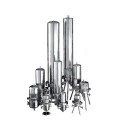
Storing an air pre - cooler properly when it's not in use is crucial for maintaining its efficiency, extending its lifespan, and ensuring it's ready for action whenever you need it again. As an experienced air pre - cooler supplier, I've had the opportunity to understand the ins and outs of these devices and the best practices for their storage. In this blog, I'll share some comprehensive tips on how to store an air pre - cooler effectively.
1. Cleaning the Air Pre - cooler
Before you even think about storing your air pre - cooler, a thorough cleaning is essential. Over time, dust, dirt, debris, and even microbial growth can accumulate on the cooler's components. This buildup not only reduces the cooler's efficiency but can also lead to corrosion and damage if left unattended during storage.
Start by disconnecting the air pre - cooler from the power source. This is a basic safety step that should never be overlooked. For the exterior, use a soft brush or a microfiber cloth to gently remove any loose dirt and dust. If there are stubborn stains, you can use a mild detergent diluted in water. Make sure to wring out the cloth well so that no excess water drips onto the device.
When it comes to the internal components, such as the cooling coils and filters, they require more attention. The filters can often be removed easily. Wash them with warm, soapy water and let them air - dry completely before putting them back in or setting them aside for storage. For the cooling coils, you can use a coil cleaner specifically designed for air pre - coolers. Follow the manufacturer's instructions carefully when using these cleaners. After cleaning, rinse the coils thoroughly to remove any residue.
2. Drainage and Moisture Removal
Moisture is one of the biggest enemies of an air pre - cooler during storage. Standing water inside the device can lead to rust, mold, and mildew growth, which can seriously damage the cooler's internal mechanisms.
First, locate the drain valve of your air pre - cooler. Open it to allow all the accumulated water to drain out completely. Some air pre - coolers may have multiple drainage points, so make sure you check and drain all of them. After draining, use a dry cloth to absorb any remaining water droplets from the interior.
If you live in a humid environment, you may want to consider using a moisture absorber. Silica gel packets, which are commonly used in shoeboxes and electronics packaging, can be placed inside the air pre - cooler. These packets will help to absorb any moisture that may seep in during storage.
3. Protecting the Air Pre - cooler from Physical Damage
During storage, the air pre - cooler should be protected from any physical impacts or scratches. Find a suitable storage area that is away from high - traffic areas where it could be accidentally bumped into.
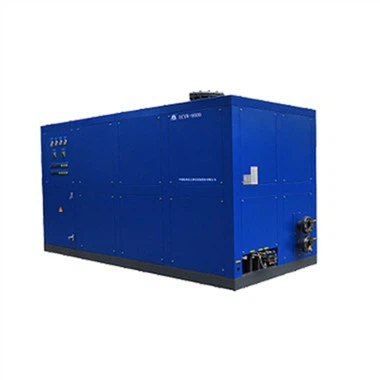

If possible, place the air pre - cooler in its original packaging. The original packaging is designed to provide the best protection for the device during transportation and storage. It usually has appropriate padding and cushioning materials that can absorb shocks and prevent damage. If you don't have the original packaging, you can use foam sheets or bubble wrap to cover the cooler. Make sure to wrap it tightly around the device, paying special attention to the corners and edges.
4. Choosing the Right Storage Location
The storage location plays a vital role in the long - term preservation of your air pre - cooler. Here are some key factors to consider when selecting a storage spot:
- Temperature: The storage area should have a relatively stable temperature. Avoid storing the cooler in places that are subject to extreme temperature fluctuations, such as attics or basements. High temperatures can cause the plastic components to warp, while low temperatures can make the metal components brittle. An ideal temperature range is between 50°F (10°C) and 70°F (21°C).
- Humidity: Choose a dry area with low humidity. As mentioned earlier, moisture can cause a lot of problems for the air pre - cooler. A storage area with a relative humidity of around 40 - 50% is optimal. You can use a hygrometer to measure the humidity level in the storage area.
- Ventilation: Good ventilation is important to prevent the buildup of moisture and odors. Avoid storing the air pre - cooler in a completely sealed space. A well - ventilated garage or a utility room can be a great option.
5. Indoor vs. Outdoor Storage
In most cases, indoor storage is the better choice for air pre - coolers. Indoor storage offers more protection from the elements, such as rain, snow, and direct sunlight. However, if you have no other option but to store the cooler outdoors, you need to take extra precautions.
If storing outdoors, use a high - quality waterproof cover to protect the air pre - cooler. The cover should fit tightly and be made of a durable material. Also, place the cooler on a raised platform to prevent it from sitting in water during heavy rain.
6. Maintenance During Storage
Even though the air pre - cooler is not in use, it still requires some maintenance during storage. Periodically check on the cooler to ensure that it is in good condition. Look for any signs of mold, mildew, or damage. If you notice any issues, address them immediately.
If the air pre - cooler has any moving parts, such as fans, you can rotate them slightly every few months. This helps to prevent the bearings from seizing up.
Different Types of Air Pre - coolers and Their Storage
There are various types of air pre - coolers available in the market, such as the Swamp Cooler Precooler, Condenser Pre Cooler, and Pre - cooler for Compressed Air. While the general storage principles apply to all of them, there are some specific considerations:
- Swamp Cooler Precooler: This type of cooler uses water evaporation to cool the air. It's crucial to ensure that all the water is drained out before storage. The pads inside the cooler should also be removed, cleaned, and dried thoroughly.
- Condenser Pre Cooler: Condenser pre - coolers are often used in HVAC systems. They may have more complex components, such as refrigerant lines. Make sure that these lines are properly insulated and protected from damage during storage.
- Pre - cooler for Compressed Air: These pre - coolers are used in industrial settings to cool compressed air. They may be larger in size and have more robust construction. However, they still need to be cleaned, drained, and protected from physical damage during storage.
Conclusion
Proper storage of an air pre - cooler when not in use is a simple yet effective way to ensure its longevity and performance. By following the steps outlined in this blog, you can protect your investment and have a reliable air pre - cooler ready for use whenever you need it.
As an air pre - cooler supplier, I'm always here to provide you with high - quality products and expert advice. If you're interested in purchasing an air pre - cooler or have any questions about storage or maintenance, feel free to reach out to discuss your specific needs. We're committed to helping you find the best solution for your air - cooling requirements.
References
- Manufacturer's manuals of various air pre - coolers
- Industry best practices for HVAC equipment storage.