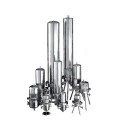
As a seasoned supplier of Compressed Air Filters, I've witnessed firsthand the pivotal role these components play in various industrial and commercial applications. High-quality compressed air filters are not just accessories; they are essential guardians of the efficiency, reliability, and longevity of compressed air systems. In this blog, I'll delve into the key features that distinguish a top-notch compressed air filter.
1. Exceptional Filtration Efficiency
The primary function of a compressed air filter is to remove contaminants from the compressed air stream. A high-quality filter boasts an outstanding filtration efficiency, capable of capturing a wide range of particles, including dust, dirt, oil aerosols, and water droplets. For instance, a well-designed filter can effectively remove particles as small as 0.01 microns with a high degree of certainty. This level of precision ensures that the compressed air delivered to the end-use equipment is clean and free from harmful impurities that could cause damage or malfunctions.
Filtration efficiency is typically measured by the filter's beta ratio, which represents the ratio of the number of particles upstream of the filter to the number of particles downstream. A higher beta ratio indicates better filtration performance. A high-quality compressed air filter often has a beta ratio of 1000:1 or higher for critical applications, meaning it can remove 99.9% of the targeted particles.
2. Durable Construction
Compressed air filters operate in demanding environments, often exposed to high pressures, varying temperatures, and corrosive substances. Therefore, durability is a crucial feature. A high-quality filter is constructed from robust materials that can withstand these harsh conditions without compromising its performance.
The filter housing is usually made of high-grade metals such as stainless steel or aluminum, which offer excellent resistance to corrosion and mechanical stress. The filter media, on the other hand, is carefully selected for its strength and chemical stability. For example, some filters use synthetic fiber media that is resistant to moisture, oil, and chemicals, ensuring long-term reliability.
3. Low Pressure Drop
Pressure drop is an important consideration in compressed air systems. It refers to the reduction in pressure that occurs as the compressed air passes through the filter. A high-quality compressed air filter is designed to minimize pressure drop while maintaining high filtration efficiency.
Excessive pressure drop can lead to increased energy consumption, reduced system performance, and higher operating costs. A well-engineered filter achieves a balance between filtration performance and pressure drop by optimizing the filter media design, flow path, and housing configuration. For example, some filters use pleated media to increase the surface area available for filtration, which helps to reduce pressure drop while maintaining a high flow rate.
4. High Flow Capacity
In industrial applications, compressed air systems often require a large volume of clean air to be delivered continuously. A high-quality compressed air filter should have a high flow capacity to meet these demands. It is designed to handle high air flow rates without sacrificing filtration efficiency or causing excessive pressure drop.


The flow capacity of a filter is typically specified in cubic feet per minute (CFM) or liters per second (L/s). A high-quality filter can handle flow rates ranging from a few CFM for small-scale applications to several thousand CFM for large industrial plants. This ensures that the filter can keep up with the air demand of the system, even during peak usage periods.
5. Easy Maintenance
Maintenance is an inevitable part of operating a compressed air filter. A high-quality filter is designed with ease of maintenance in mind. It should be easy to access, inspect, and replace the filter elements when necessary.
Some filters feature quick-release mechanisms or easy-to-remove covers that allow for rapid element replacement, minimizing downtime. Additionally, the filter elements should be readily available and affordable, making it cost-effective to maintain the filter over its lifespan.
6. Compatibility with Different Compressed Air Systems
Compressed air systems come in various types and sizes, each with its own specific requirements. A high-quality compressed air filter should be compatible with different types of compressors, air dryers, and other components in the system.
It should be able to operate effectively at different pressures, temperatures, and flow rates, ensuring seamless integration into the existing system. For example, some filters are designed to work with both oil-lubricated and oil-free compressors, providing flexibility for different applications.
7. Compliance with Industry Standards
To ensure the quality and performance of compressed air filters, they should comply with relevant industry standards. High-quality filters are often certified to meet international standards such as ISO 8573-1, which specifies the quality classes for compressed air in terms of particulate, water, and oil content.
Compliance with these standards provides assurance that the filter has been tested and proven to meet the required performance criteria. It also helps to ensure that the compressed air meets the quality requirements of the end-use applications, such as in food and beverage production, pharmaceutical manufacturing, and electronics assembly.
8. Customization Options
Every compressed air system has unique requirements based on the specific application, operating conditions, and contaminants present. A high-quality compressed air filter supplier should offer customization options to meet these diverse needs.
This may include the ability to customize the filter size, filtration efficiency, flow capacity, and housing material. For example, in applications where there is a high concentration of oil aerosols, a customized filter with a higher oil removal efficiency can be designed. Customization allows for a more tailored solution that optimizes the performance of the compressed air system.
Conclusion
In conclusion, a high-quality compressed air filter is characterized by exceptional filtration efficiency, durable construction, low pressure drop, high flow capacity, easy maintenance, compatibility with different systems, compliance with industry standards, and customization options. These features ensure that the filter can effectively protect the compressed air system and the end-use equipment from contaminants, while also providing reliable and cost-effective operation.
If you're in the market for a high-quality compressed air filter, I encourage you to explore our range of products. We offer a comprehensive selection of filters, including Air Filter in Compressor Air Dryer, Compressed Air Dryer Particulate Filter, and Compressed Air Precision Filter, all designed to meet the highest standards of quality and performance. Contact us today to discuss your specific requirements and let us help you find the perfect filter for your compressed air system.
References
- ISO 8573-1:2010, Compressed air - Part 1: Contaminants and purity classes.
- Compressed Air and Gas Handbook, 4th Edition, by Compressed Air and Gas Institute.