Hey there! As a supplier of refrigeration air dryers, I often get asked about the installation requirements for these nifty machines in workshops. So, I thought I'd share some insights to help you out.
First off, let's talk about the location. Picking the right spot for your refrigeration air dryer is super important. You want to place it in an area that's well-ventilated. Good ventilation helps the dryer work efficiently by allowing heat to dissipate properly. If the dryer gets too hot, it won't be able to cool the compressed air as effectively, and that can lead to all sorts of problems. A poorly ventilated area can also cause the dryer to overwork, which might shorten its lifespan. So, look for a spot where there's plenty of air circulation, away from walls and other equipment that could block the airflow.
The floor where you install the dryer needs to be level and stable. An uneven floor can cause the dryer to vibrate during operation. These vibrations can not only be noisy but also potentially damage the internal components of the dryer over time. A stable floor ensures that the dryer stays in place and functions smoothly. You might even want to consider using vibration pads under the dryer to further reduce any shaking.
Now, let's consider the power supply. Your refrigeration air dryer needs a reliable and appropriate power source. Make sure the voltage and frequency of the power supply match the specifications of the dryer. Using the wrong power supply can fry the electrical components of the dryer, and that's definitely not something you want. You might want to have an electrician check the electrical setup in your workshop to ensure it's suitable for the dryer. Also, it's a good idea to have a dedicated circuit for the dryer to avoid any power fluctuations caused by other equipment sharing the same circuit.
Next up is the compressed air inlet and outlet. The connections need to be tight and leak-free. Any air leaks can reduce the efficiency of the dryer and waste energy. When connecting the dryer to the compressed air system, use the right fittings and make sure they're properly tightened. You can use thread sealant to prevent any air from escaping through the threads of the fittings. It's also important to ensure that the inlet and outlet pipes are the correct size. Using pipes that are too small can restrict the airflow, while pipes that are too large can lead to unnecessary pressure drops.
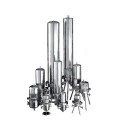
Another crucial aspect is the pre - filter. A good pre - filter, like the Useful 40 Micron Air Filter High Quality Air Dryer Pre Filter High Pressure Air Filter, is essential. It helps to remove large particles, dust, and oil from the compressed air before it enters the dryer. If these contaminants make their way into the dryer, they can clog the internal components and reduce the dryer's performance. You should regularly check and replace the pre - filter according to the manufacturer's recommendations. A dirty pre - filter can also increase the pressure drop across the dryer, which means the compressor has to work harder to push the air through.
The ambient temperature in the workshop also matters. Refrigeration air dryers are designed to work within a certain temperature range. If the ambient temperature is too high, the dryer might struggle to cool the compressed air to the desired dew point. On the other hand, if it's too cold, there could be issues with the refrigerant system. Most dryers work best in an ambient temperature range of around 2 - 40 degrees Celsius. If your workshop has extreme temperatures, you might need to take additional measures, such as installing a heater or an air - conditioning unit to keep the temperature within the acceptable range.
When it comes to the refrigerant side of things, the dryer needs to be charged with the correct amount of refrigerant. Too little refrigerant can result in poor cooling performance, while too much can cause damage to the compressor. It's best to have a professional technician handle the refrigerant charging process. They have the tools and expertise to ensure that the dryer is charged accurately.
Let's not forget about the maintenance access. You need to have enough space around the dryer to perform regular maintenance tasks. This includes checking the filters, inspecting the refrigerant lines, and cleaning the condenser coils. If there's not enough space, it'll be difficult to carry out these maintenance jobs properly, and that can lead to problems down the line.
If you're installing an Air Cooled Refrigerant Air Dryer, you need to make sure there's enough clearance around the condenser for proper air intake and exhaust. Blocking the condenser can prevent the heat from being removed effectively, which will affect the dryer's performance.
Now, if you're in the market for a high - quality Refrigerated Compressed Air Dryer, we've got you covered. Our dryers are designed to meet the toughest requirements in workshops. They're built with high - quality components to ensure long - term reliability and efficiency.


If you're interested in learning more about our refrigeration air dryers or have any questions about the installation process, don't hesitate to reach out. We're here to help you make the right choice for your workshop. Whether you're a small - scale operation or a large industrial facility, we can provide the perfect solution for your compressed air drying needs. So, let's get in touch and start a conversation about how we can improve your workshop's air quality with our top - notch refrigeration air dryers.
References
- Compressed Air and Gas Handbook
- Manufacturer's Installation and Operation Manuals for Refrigeration Air Dryers