In a humid environment, using a water chiller requires special attention due to the unique challenges posed by high moisture levels. As a water chiller supplier, we understand the importance of proper preventive measures to ensure the efficient and reliable operation of water chillers. This blog post will discuss the key preventive measures for using a water chiller in a humid environment.
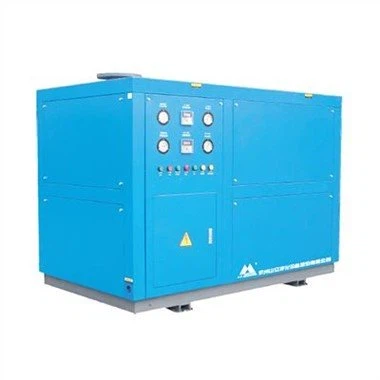

Understanding the Challenges of Humid Environments
Humidity can have several adverse effects on water chillers. Firstly, high humidity increases the likelihood of condensation forming on the surfaces of the chiller components. Condensation can lead to corrosion, which can damage the chiller's metal parts over time. Corrosion not only reduces the lifespan of the chiller but can also cause leaks and other mechanical failures.
Secondly, moisture in the air can promote the growth of mold and bacteria. These microorganisms can contaminate the water in the chiller system, leading to poor water quality and potential health risks. In addition, mold and bacteria can clog the chiller's filters and heat exchangers, reducing the system's efficiency and increasing energy consumption.
Finally, humid conditions can affect the performance of the chiller's electrical components. Moisture can cause short circuits, electrical failures, and other malfunctions, which can disrupt the operation of the chiller and pose a safety hazard.
Preventive Measures for Using a Water Chiller in a Humid Environment
1. Proper Installation
- Location Selection: Choose a well - ventilated location for the water chiller installation. Avoid areas with poor air circulation, such as basements or enclosed spaces, as these areas are more prone to high humidity. The installation site should also be protected from direct exposure to rain and other sources of water.
- Elevated Installation: Install the water chiller on an elevated platform or stand. This helps to prevent water from pooling around the chiller and reduces the risk of water damage.
- Sealing and Insulation: Ensure that all joints, connections, and openings in the chiller system are properly sealed to prevent moisture from entering. Use high - quality insulation materials to insulate the pipes and components of the chiller system. Insulation helps to reduce condensation and maintain the efficiency of the system.
2. Regular Maintenance
- Inspection and Cleaning: Conduct regular inspections of the water chiller to check for signs of corrosion, mold, and other damage. Clean the chiller's exterior and interior components regularly to remove dirt, dust, and other contaminants. Pay special attention to the filters, heat exchangers, and fans, as these components are more likely to accumulate debris in a humid environment.
- Water Treatment: Implement a proper water treatment program to maintain the quality of the water in the chiller system. This may include adding chemicals to prevent the growth of bacteria and algae, as well as removing dissolved solids and other impurities from the water. Regularly test the water quality to ensure that it meets the recommended standards.
- Electrical Component Maintenance: Inspect the electrical components of the water chiller regularly to check for signs of moisture damage. Clean and tighten all electrical connections to prevent loose connections and short circuits. Consider using moisture - resistant electrical enclosures and components to protect against humidity.
3. Humidity Control
- Dehumidification: Install a dehumidifier in the area where the water chiller is located. A dehumidifier helps to reduce the humidity level in the air, which can prevent condensation and the growth of mold and bacteria. Choose a dehumidifier with a capacity that is appropriate for the size of the room.
- Ventilation: Ensure proper ventilation in the installation area. Use exhaust fans or other ventilation systems to remove moist air from the room and bring in fresh, dry air. Good ventilation helps to maintain a stable humidity level and improves the overall performance of the water chiller.
4. Monitoring and Alarm Systems
- Humidity Monitoring: Install a humidity sensor in the area where the water chiller is located. Continuously monitor the humidity level and set up an alarm system to alert you when the humidity exceeds a certain threshold. This allows you to take timely action to prevent damage to the water chiller.
- Performance Monitoring: Monitor the performance of the water chiller regularly, including parameters such as temperature, pressure, and energy consumption. Any significant changes in these parameters may indicate a problem with the chiller, such as a blockage or a malfunction. Early detection of problems can help to prevent costly repairs and downtime.
The Role of Different Types of Water Chillers in Humid Environments
- Chilled Water Cooling System: A Chilled Water Cooling System is a popular choice for many applications. In a humid environment, it is important to ensure that the pipes carrying the chilled water are well - insulated to prevent condensation. The system should also be equipped with proper water treatment and monitoring devices to maintain water quality and system performance.
- Water Cooled Water Chiller: Water Cooled Water Chiller systems rely on water for cooling. In a humid environment, the cooling water source needs to be carefully managed. The water should be treated to prevent scale formation and corrosion, and the cooling tower (if applicable) should be properly maintained to ensure efficient heat transfer and prevent the growth of microorganisms.
- Water Cooled Chiller System: Water Cooled Chiller System offers high - efficiency cooling. However, in a humid environment, the condenser and other components are more susceptible to corrosion. Regular inspection and maintenance of these components are crucial to ensure the long - term reliability of the system.
Conclusion
Using a water chiller in a humid environment requires careful planning and implementation of preventive measures. By following the guidelines outlined in this blog post, you can minimize the risks associated with high humidity and ensure the efficient and reliable operation of your water chiller.
As a water chiller supplier, we are committed to providing high - quality products and comprehensive support to our customers. If you are considering purchasing a water chiller for use in a humid environment, or if you need assistance with the maintenance and operation of your existing water chiller, please feel free to contact us. Our team of experts is ready to help you select the right water chiller for your needs and provide you with the necessary advice and guidance.
References
- ASHRAE Handbook - HVAC Systems and Equipment. American Society of Heating, Refrigerating and Air - Conditioning Engineers.
- Chiller Maintenance Manuals from leading manufacturers.