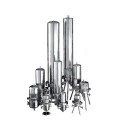
Hey there! As a supplier of Pre - cooler for Compressed Air, I've seen firsthand the impact these nifty devices can have on an overall compressed air system. So, let's dive right in and explore what this impact is all about.
Understanding the Basics of Compressed Air Systems
Before we get into the role of a pre - cooler, it's important to have a basic understanding of compressed air systems. Compressed air is used in a wide range of industries, from manufacturing to food processing. When air is compressed, its temperature rises significantly. This hot, compressed air can cause a whole bunch of problems in the system.
For starters, high - temperature compressed air can reduce the efficiency of downstream equipment. Many components in a compressed air system, like filters and dryers, work better at lower temperatures. If the air is too hot, these components may not function as effectively, leading to reduced air quality and potentially more maintenance.
What Does a Pre - cooler for Compressed Air Do?
A Pre - cooler for Compressed Air is designed to lower the temperature of the compressed air right after it leaves the compressor. It acts as a first line of defense in the compressed air system. By cooling the air early on, it helps to mitigate many of the issues caused by high - temperature compressed air.
One of the main functions of a pre - cooler is to condense water vapor. As the compressed air cools, the water vapor in it turns into liquid water. This water can then be easily removed from the system through drains. Removing water is crucial because water in the compressed air can cause corrosion in pipes and equipment, damage pneumatic tools, and contaminate products in industries like food and pharmaceuticals.
Impact on Energy Efficiency
One of the most significant impacts of a pre - cooler on the overall compressed air system is its effect on energy efficiency. When the compressed air is cooled by the pre - cooler, the downstream equipment, such as air dryers, doesn't have to work as hard. Air dryers are energy - intensive components in a compressed air system. By reducing the temperature of the incoming air, the pre - cooler allows the dryer to operate more efficiently, using less energy to achieve the same level of dryness.
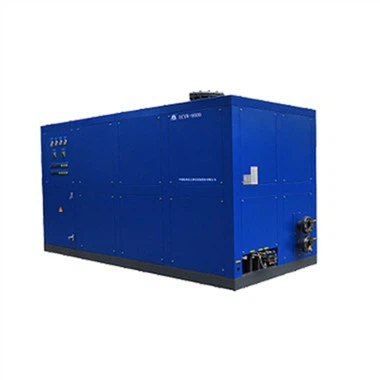

For example, in a refrigerated air dryer, the cooling capacity required to dry the air is directly related to the temperature of the incoming air. If the air is already cooled by the pre - cooler, the dryer can use less refrigerant and less electricity to remove moisture from the air. This translates into significant cost savings over time, especially in large - scale industrial applications where compressed air systems run continuously.
Impact on Equipment Lifespan
Another important impact of a pre - cooler is on the lifespan of the equipment in the compressed air system. High - temperature compressed air can cause excessive wear and tear on components. For instance, seals and gaskets in valves and pipes can degrade more quickly when exposed to hot air, leading to leaks and reduced performance.
By cooling the compressed air, the pre - cooler helps to protect these components from the damaging effects of high temperatures. This means that the equipment in the system is likely to last longer, reducing the need for frequent replacements and maintenance. In the long run, this can save a company a lot of money in terms of equipment costs and downtime.
Different Types of Pre - coolers
There are different types of pre - coolers available in the market, each with its own advantages. One type is the Condenser Pre Cooler. This type of pre - cooler uses a condenser to transfer heat from the compressed air to a cooling medium, usually water or air. Condenser pre - coolers are known for their high efficiency and reliability.
Another type is the Swamp Cooler Precooler. Swamp cooler precoolers work by evaporative cooling. They are relatively simple and cost - effective, making them a popular choice for smaller compressed air systems or applications where energy efficiency is not the top priority.
Impact on Air Quality
The quality of the compressed air is crucial in many industries. In industries like electronics manufacturing and automotive painting, even small amounts of contaminants in the compressed air can cause defects in the final product. A pre - cooler plays a vital role in improving air quality.
As mentioned earlier, the pre - cooler helps to remove water vapor from the compressed air. It also helps to remove some of the oil and particulate matter that may be present in the air. When the air is cooled, these contaminants are more likely to condense and can be removed through filtration and drainage. This results in cleaner, drier compressed air, which is essential for the proper functioning of downstream equipment and the quality of the end - product.
Considerations When Choosing a Pre - cooler
When choosing a pre - cooler for a compressed air system, there are several factors to consider. The first is the cooling capacity. You need to make sure that the pre - cooler can handle the volume and temperature of the compressed air in your system. The size of the compressor, the flow rate of the air, and the ambient temperature are all important factors to take into account.
Another consideration is the type of cooling medium. As mentioned earlier, water - cooled and air - cooled pre - coolers are the most common types. Water - cooled pre - coolers are generally more efficient, but they require a reliable water supply and may be more expensive to install and maintain. Air - cooled pre - coolers are simpler and more cost - effective, but they may be less efficient in hot climates.
Conclusion
In conclusion, a pre - cooler for compressed air has a significant impact on the overall compressed air system. It improves energy efficiency, extends the lifespan of equipment, enhances air quality, and helps to prevent many of the problems associated with high - temperature compressed air. Whether you're running a small workshop or a large industrial plant, investing in a good pre - cooler can save you money in the long run and ensure the smooth operation of your compressed air system.
If you're interested in learning more about our Pre - cooler for Compressed Air products or want to discuss your specific requirements, don't hesitate to reach out. We're here to help you find the best solution for your compressed air system.
References
- Compressed Air and Gas Institute (CAGI). "Best Practices for Compressed Air Systems."
- ASHRAE Handbook of Refrigeration.
- Various industry whitepapers on compressed air system efficiency.