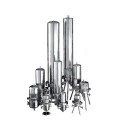
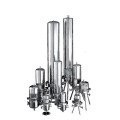
As a supplier of sterilizing air filters, ensuring the integrity of these crucial components is of utmost importance. Sterilizing air filters play a vital role in various industries, such as pharmaceuticals, biotechnology, food and beverage, and healthcare, where maintaining a sterile environment is essential. In this blog post, I will share some effective methods to check the integrity of a sterilizing air filter, which can help you guarantee the quality and performance of your filtration systems.
Understanding the Importance of Filter Integrity
Before delving into the methods of checking filter integrity, it is crucial to understand why it matters. A compromised sterilizing air filter can allow microorganisms, particles, and contaminants to pass through, potentially leading to product contamination, equipment damage, and even health risks. Therefore, regular integrity testing is necessary to ensure that the filter is functioning as intended and meeting the required standards.
Pre - Test Preparation
Before conducting any integrity tests, it is essential to follow some pre - test preparation steps. First, make sure that the filter has been installed correctly according to the manufacturer's instructions. Any improper installation can lead to false test results. Second, clean the filter housing and surrounding areas to prevent any external contaminants from interfering with the test. Third, gather all the necessary testing equipment, such as pressure gauges, flow meters, and test fluids, and ensure that they are calibrated and in good working condition.
Bubble Point Test
The bubble point test is one of the most commonly used methods for checking the integrity of a sterilizing air filter. This test is based on the principle that air will start to bubble through the pores of a wet filter when the pressure applied to the upstream side of the filter reaches a certain value, known as the bubble point pressure.
To perform a bubble point test, first, wet the filter with a suitable test fluid, such as water or a surfactant solution. Then, gradually increase the pressure on the upstream side of the filter while monitoring the downstream side for the appearance of bubbles. The bubble point pressure can be determined by observing the pressure at which a continuous stream of bubbles is first detected.
If the measured bubble point pressure is within the specified range provided by the filter manufacturer, it indicates that the filter is intact. However, if the bubble point pressure is lower than the specified value, it may suggest that the filter has been damaged or has larger - than - normal pores, which could compromise its sterilizing efficiency.
For more information on filters used in sterilization processes, you can visit Filter Used for Sterilization.
Diffusion Test
The diffusion test is another widely used method for assessing filter integrity. This test measures the amount of gas that diffuses through the filter under a specific pressure differential. In a properly functioning filter, the diffusion rate should be relatively low, as most of the gas should be blocked by the filter media.
To conduct a diffusion test, apply a constant pressure to the upstream side of the filter and measure the flow rate of the gas diffusing through the filter on the downstream side. Compare the measured diffusion rate with the acceptable range provided by the manufacturer. If the diffusion rate exceeds the specified limit, it may indicate that the filter has leaks or damaged areas.
Pressure Hold Test
The pressure hold test is a simple yet effective method for checking filter integrity. In this test, the filter is pressurized to a specific level and then isolated from the pressure source. The pressure on the upstream side of the filter is then monitored over a period of time.
If the filter is intact, the pressure should remain relatively stable during the test period. A significant drop in pressure may suggest that there are leaks in the filter or its housing. However, it is important to note that small pressure drops due to normal gas permeation through the filter media may occur, and these need to be distinguished from actual leaks.
Water Intrusion Test
The water intrusion test is particularly useful for hydrophobic filters. In this test, water is forced through the filter under pressure. A properly functioning hydrophobic filter should resist water intrusion until a certain pressure is reached.
To perform a water intrusion test, gradually increase the pressure of water on the upstream side of the filter while monitoring the downstream side for the appearance of water. The water intrusion pressure can be determined by observing the pressure at which water first passes through the filter. If the measured water intrusion pressure is within the specified range, it indicates that the filter is intact.
For more details on sterilization water filters, you can refer to Sterilization Water Filter.
Automated Integrity Testing Systems
In addition to the manual testing methods mentioned above, there are also automated integrity testing systems available in the market. These systems can provide more accurate and consistent test results, as they are equipped with advanced sensors and control algorithms.
Automated integrity testing systems can perform multiple tests, such as bubble point, diffusion, and pressure hold tests, in a single operation. They can also record and analyze test data, generate test reports, and provide real - time feedback on the integrity of the filter.

Frequency of Integrity Testing
The frequency of integrity testing depends on several factors, such as the type of application, the operating conditions, and the regulatory requirements. In general, it is recommended to perform integrity tests on a regular basis, such as before and after each use, or at least once a month for continuous - use applications.
In addition, integrity testing should also be performed after any maintenance or replacement of the filter or its components, as well as after any event that may potentially damage the filter, such as a power outage or a sudden pressure surge.
Conclusion
Checking the integrity of a sterilizing air filter is a critical step in ensuring the safety and quality of your products and processes. By using the appropriate testing methods and performing regular integrity tests, you can detect any potential issues with the filter early and take corrective actions to prevent product contamination and equipment failures.
As a leading supplier of sterilizing air filters, we are committed to providing high - quality products and comprehensive technical support. If you are interested in learning more about our Sterilization Grade Filter or have any questions regarding filter integrity testing, please feel free to contact us for further discussion and procurement negotiation. We look forward to working with you to meet your filtration needs.
References
- ASTM International. Standard Test Methods for Determining Bubble Point and Mean Flow Pore Size of Membrane Filters. ASTM F316 - 03(2011).
- ISO 2942:2004. Hydraulic fluid power - Filters - Vocabulary.
- Pharmaceutical Inspection Convention and Pharmaceutical Inspection Co - operation Scheme (PIC/S). Good Manufacturing Practice Guide for Medicinal Products for Human and Veterinary Use.