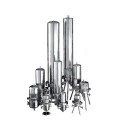
In the quest for cleaner and healthier indoor air, two prominent technologies have emerged as front - runners: sterilizing air filters and plasma air purifiers. As a supplier of Sterilizing Air Filters, I am well - versed in the features and benefits of these devices, and I'm eager to share a comprehensive comparison between the two.
How They Work
Sterilizing Air Filter
A sterilizing air filter operates on a fundamental principle of mechanical and chemical filtration. These filters are designed to capture and eliminate a wide range of contaminants from the air. At the mechanical level, they use a dense matrix of fibers or other porous materials to physically trap particles such as dust, pollen, pet dander, and even some larger microorganisms.
On the chemical side, many sterilizing air filters are impregnated with antimicrobial agents. When microorganisms come into contact with these agents, their cell membranes are disrupted, and their metabolic processes are halted, effectively killing them. For instance, some filters use silver - based compounds, which have well - documented antibacterial and antifungal properties. You can learn more about this type of filter by visiting our Sterilizing Air Filter page.
Plasma Air Purifier
Plasma air purifiers, on the other hand, rely on advanced electrical processes. They generate a high - energy plasma field, which consists of charged particles, including ions and free radicals. When these charged particles come into contact with airborne contaminants, they break down the chemical bonds of pollutants.
For example, volatile organic compounds (VOCs) are common indoor pollutants that can cause respiratory problems and other health issues. Plasma air purifiers can break down the complex molecular structures of VOCs into simpler, less harmful substances. Additionally, the ions and free radicals can damage the cell walls of microorganisms, leading to their inactivation.
Effectiveness Against Different Contaminants
Particulate Matter
Sterilizing air filters are highly effective at removing particulate matter. They can capture particles as small as 0.3 microns with a high efficiency, which includes most common allergens and dust particles. The dense filtration media acts as a physical barrier, preventing these particles from recirculating in the air. Our Sterilization Grade Filter is specifically engineered to provide superior filtration performance, ensuring that even the smallest particles are trapped.
Plasma air purifiers can also reduce particulate matter to some extent. The charged particles in the plasma field can cause the particles to clump together, making them heavier and more likely to settle out of the air. However, they may not be as efficient as sterilizing air filters in completely removing all particulate matter, especially the very fine particles.
Microorganisms
When it comes to microorganisms such as bacteria, viruses, and fungi, both technologies have their strengths. Sterilizing air filters with antimicrobial agents can directly kill the microorganisms that are trapped in the filter. This provides a long - term solution as the dead microorganisms remain in the filter and do not pose a threat of re - entering the air.
Plasma air purifiers can inactivate microorganisms in the air by disrupting their cell structures. However, there is a concern that some inactivated microorganisms may still remain airborne, and in some cases, they may be able to recover if the conditions are right.
Chemical Pollutants
Plasma air purifiers have an edge over sterilizing air filters when it comes to chemical pollutants. As mentioned earlier, they can break down the complex molecular structures of VOCs and other chemical pollutants. Sterilizing air filters, while they may have some ability to adsorb certain chemicals, are generally not as effective in decomposing these pollutants. However, some advanced sterilizing air filters can be combined with activated carbon layers to enhance their chemical filtration capabilities. You can find more information about filters used for dealing with various contaminants on our Filter Used for Sterilization page.
Energy Consumption and Maintenance
Energy Consumption
Sterilizing air filters typically have a lower energy consumption compared to plasma air purifiers. Since they mainly rely on a fan to draw air through the filter, the power requirements are relatively modest. This makes them a more energy - efficient option, especially for long - term use in large areas.
Plasma air purifiers, on the other hand, need to generate a high - energy plasma field, which requires more electricity. The energy consumption can vary depending on the size and power of the unit, but in general, they tend to use more energy than sterilizing air filters.
Maintenance
Maintenance of sterilizing air filters is relatively straightforward. The main task is to replace the filter at regular intervals, depending on the usage and the level of contaminants in the air. This is a simple and cost - effective process.
Plasma air purifiers may require more complex maintenance. The electrodes or other components that generate the plasma field may need to be cleaned or replaced periodically. Additionally, there may be a need to monitor the performance of the unit to ensure that the plasma generation is working effectively.
Cost - Effectiveness
In terms of upfront cost, sterilizing air filters are often more affordable. They are a simple and well - established technology, and the manufacturing costs are relatively low. This makes them a popular choice for budget - conscious consumers.
However, when considering the long - term cost, the situation may be different. While the filter replacement cost for sterilizing air filters is relatively low, the frequency of replacement can add up over time. Plasma air purifiers may have a higher upfront cost, but if the maintenance is managed properly, they may offer a more cost - effective solution in the long run, especially in areas with high levels of chemical pollutants.

Safety Considerations
Sterilizing air filters are generally considered safe. They do not produce any harmful by - products during the filtration process. The antimicrobial agents used in the filters are carefully selected to ensure that they are non - toxic to humans and pets.
Plasma air purifiers, however, can produce ozone as a by - product. Ozone is a strong oxidizing agent that can be harmful to human health, especially at high concentrations. Some modern plasma air purifiers are designed to minimize ozone production, but it is still important to be aware of this potential risk.
Which One Should You Choose?
The choice between a sterilizing air filter and a plasma air purifier depends on several factors. If your main concern is particulate matter and you want a cost - effective and energy - efficient solution, a sterilizing air filter may be the best choice. It provides reliable filtration and can effectively remove allergens and dust from the air.
If you are dealing with high levels of chemical pollutants or you want a technology that can inactivate microorganisms in the air more quickly, a plasma air purifier may be more suitable. However, you need to be aware of the potential ozone production and the higher energy consumption.
As a supplier of Sterilizing Air Filters, I believe that our products offer a great balance of performance, safety, and cost - effectiveness. We are committed to providing high - quality filters that meet the diverse needs of our customers. If you are interested in learning more about our sterilizing air filters or have any questions about the comparison between these two technologies, please feel free to contact us for a procurement discussion. We look forward to helping you find the best air purification solution for your specific requirements.
References
- "Air Filtration and Purification Technologies" - Journal of Environmental Science and Technology
- "The Effectiveness of Plasma Air Purifiers in Indoor Air Quality Improvement" - International Journal of Indoor Air Quality and Climate
- "Antimicrobial Properties of Air Filters" - Applied Microbiology and Biotechnology